
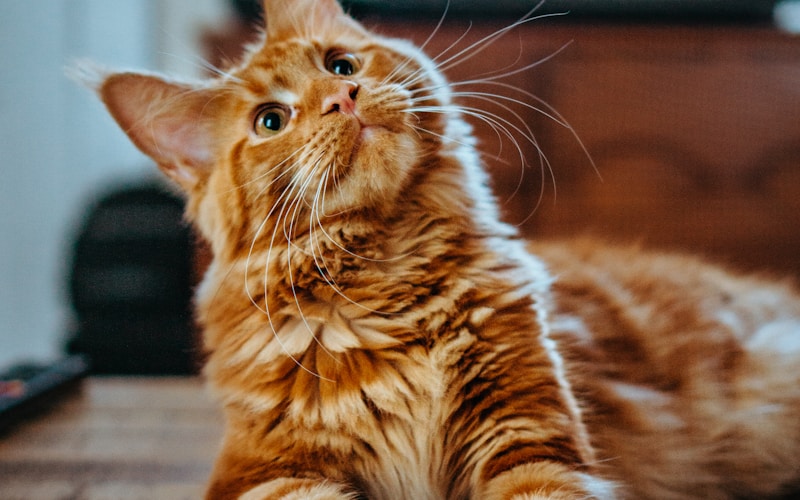
Long-haired cats are among the most beautiful of all domestic cats, but their luxurious coats come with a maintenance responsibility that prospective owners should understand before bringing one home. Left ungroomed, long fur quickly becomes tangled and matted — particularly in areas of friction such as behind the ears, under the arms, and around the collar. Severe matts pull painfully on the skin and can become so dense that they trap moisture and cause skin infections. A regular grooming routine prevents all of this and, when introduced correctly, becomes a positive bonding experience.
Invest in quality tools before you start. A wide-toothed metal comb is essential for working through long coats without excessive pulling, while a slicker brush helps remove loose hair and smooth the topcoat. A dematting comb or mat splitter is invaluable for tackling minor tangles before they become full matts. Stainless steel tools are more hygienic and durable than plastic alternatives. Avoid rubber grooming mitts as the primary tool for long-coated cats — they do not penetrate to the undercoat where most matting originates.
Frequency depends on your cat's coat type. Persians, with their ultra-dense, fine coats, typically require daily grooming to stay mat-free. Maine Coons have a more robust semi-long coat that is relatively mat-resistant and usually manageable with three to four sessions per week. Norwegian Forest Cats and Siberians have seasonal coats that require more intensive grooming during the biannual moulting season. During South Africa's warmer months, your long-haired cat may shed more heavily — increase grooming frequency accordingly.
Introduce grooming gradually if your cat is not yet accustomed to it. Start by simply touching your cat with the comb while rewarding generously with treats or affection. Progress to short, gentle strokes and build up session length over several weeks. Never forcibly restrain a cat that is distressed — this creates negative associations that will make every future session a battle. If your cat consistently resists grooming despite a patient introduction, a professional groomer experienced with cats may be the most practical solution.
In South Africa's warm climate, particularly in coastal provinces, consider having your long-haired cat professionally clipped during summer. A lion cut or hygiene clip keeps your cat comfortable, dramatically reduces grooming time, and eliminates the risk of heat stress from a full coat in hot weather. Always use a groomer experienced with cats, as the handling techniques required differ significantly from dog grooming. With the right routine in place, your long-haired cat can enjoy a comfortable, healthy coat year-round.









Write Your Opinion!
Log in or Sign up to leave a comment.