
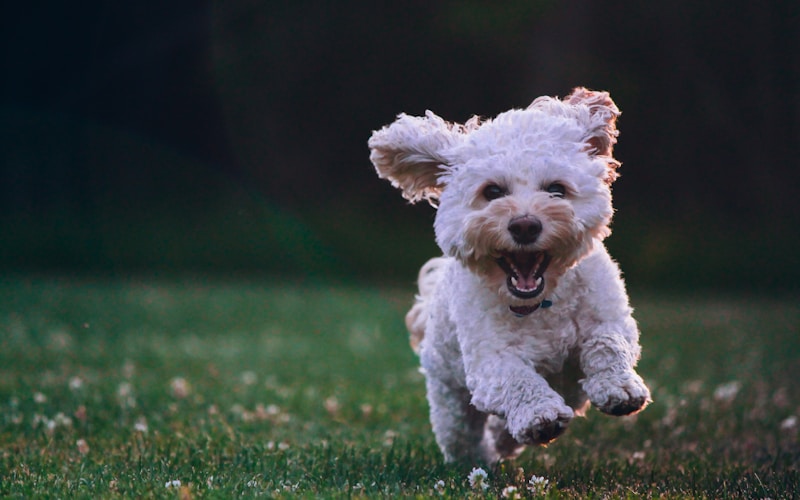
Socialisation is the process of exposing your dog to a wide variety of people, animals, environments, sounds, and experiences in a way that builds positive associations rather than fear. The primary socialisation window for puppies is between three and fourteen weeks of age, but socialisation is a lifelong process — an adult dog that encounters new experiences regularly is far less likely to develop anxiety or reactivity than one whose world has remained small and unchanging.
The goal of socialisation is not simply exposure — it is positive exposure. Flooding a fearful puppy with overwhelming experiences does not build confidence; it traumatises. Instead, introduce new experiences at a pace your dog is comfortable with, watching their body language carefully. Relaxed ears, a soft body, and a wagging tail indicate your dog is comfortable. Lowered head, tucked tail, yawning, lip licking, or attempts to hide are stress signals — back away from the trigger immediately and give your dog space. Always pair new experiences with something wonderful, such as high-value treats, play, or praise.
People are among the most important socialisation targets for puppies. Aim to introduce your puppy to people of different ages, sizes, appearances, and clothing styles — hats, beards, glasses, uniforms, and high-visibility vests can all trigger fear in under-socialised dogs. Invite calm, dog-savvy visitors to offer treats to your puppy rather than reaching directly over the top of them (a posture many dogs find threatening). Children should be supervised at all times and taught to interact gently and calmly — rough, high-energy interactions with young children can create lasting negative associations.
Puppy classes provide a structured, safe environment for socialisation with other dogs under the guidance of a qualified trainer. They also expose your puppy to the sounds and smells of a training environment, unfamiliar flooring, and other distractions. When choosing a class, look for small group sizes, a trainer using reward-based methods, and play sessions structured to prevent bullying between dogs of different sizes and temperaments. If your puppy displays fear in a group setting, a more gradual approach using controlled introductions to a single calm adult dog may be more appropriate.
Urban experiences deserve particular attention for dogs that will live in South African cities. Traffic, taxis, crowded pavements, market sounds, fireworks, and construction noise can all be overwhelming for an under-prepared dog. During lockdowns and quiet periods, many South African dogs missed critical socialisation that has since manifested as noise phobias and traffic anxiety. Address these gaps systematically using desensitisation — starting with very low-level exposure to recorded sounds and gradually increasing intensity over weeks — always pairing sound with positive rewards. A professional behaviourist can design a structured programme if the reactivity is severe.








Write Your Opinion!
Log in or Sign up to leave a comment.