

Positive reinforcement training works on a simple principle: behaviours that are rewarded are more likely to be repeated. By marking the exact moment your puppy does something you want — with a treat, praise, or a toy — you communicate clearly which behaviours earn rewards, and your puppy naturally begins to offer those behaviours more frequently. This approach is not only effective; it builds confidence, deepens the bond between you and your dog, and makes training sessions genuinely enjoyable for both parties.
Timing is everything in positive reinforcement training. The reward must arrive within one to two seconds of the desired behaviour, or your puppy will not make the correct association. Many trainers use a clicker — a small device that makes a sharp click — as a "marker" to bridge the gap between the behaviour and the reward. The click is fast and consistent, removing any ambiguity about exactly what is being rewarded. To begin, simply click and immediately give a treat several times in a row until your puppy understands that a click means a treat is coming. This is called "loading the clicker."
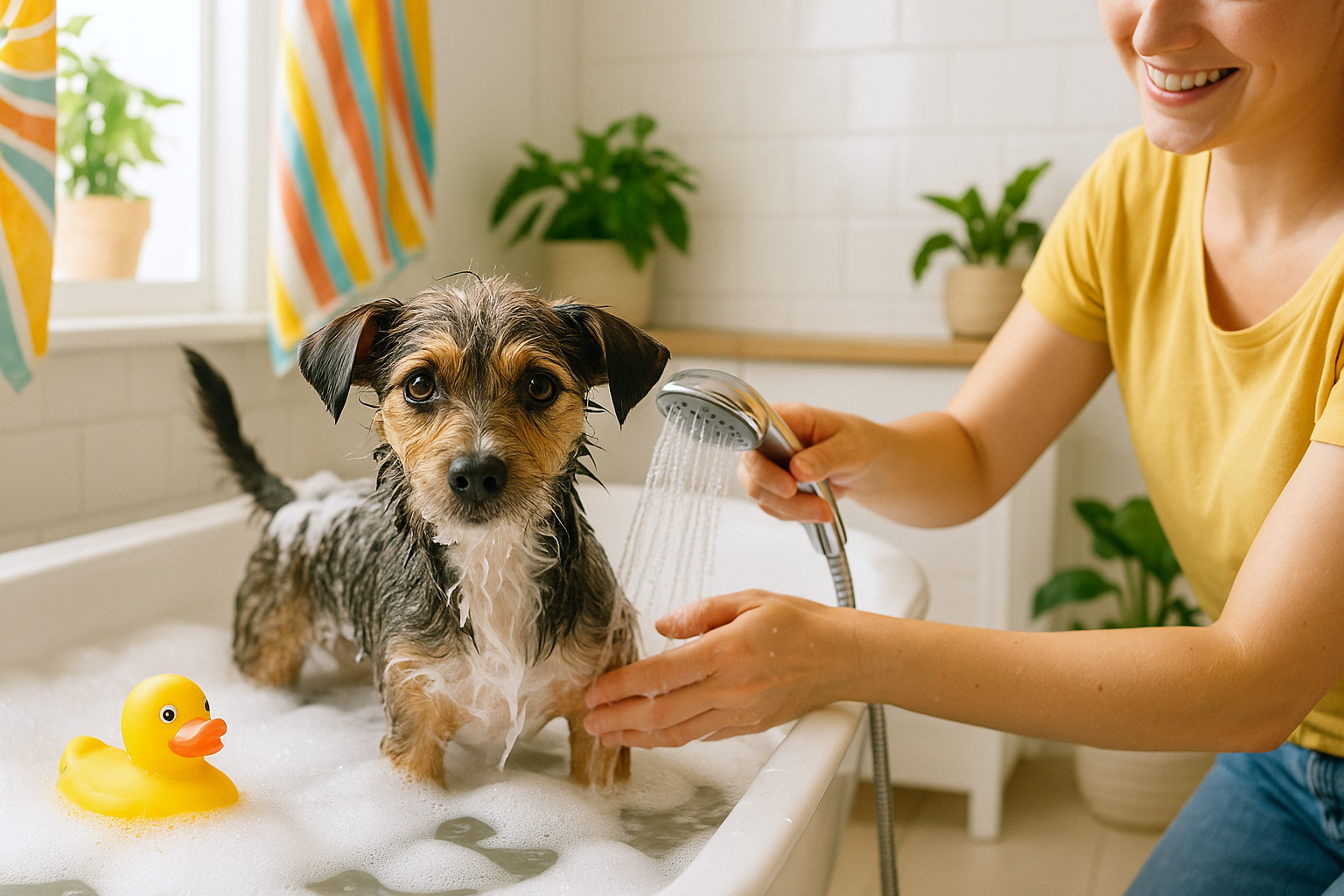
The five most important skills to teach your puppy in the first few months are: sit, lie down, come when called (recall), stay, and walking calmly on a leash. Of these, a reliable recall is arguably the most important safety skill your dog will ever learn. Practice calling your puppy in a happy, excited voice and reward them lavishly every single time they come to you — never call your puppy to you and then do something they find unpleasant, such as bathing or nail clipping. If recall is always followed by wonderful things, your puppy will fly back to you without hesitation.
Short, frequent training sessions are far more effective than long infrequent ones. A puppy's attention span is limited — two to five minute sessions, several times a day, are ideal. End each session on a positive note by asking for something your puppy knows well and rewarding generously. Training should feel like a game. If either you or your puppy is becoming frustrated, stop the session and try again later. Frustration and punishment have no place in positive reinforcement training and can seriously set back your puppy's progress and confidence.
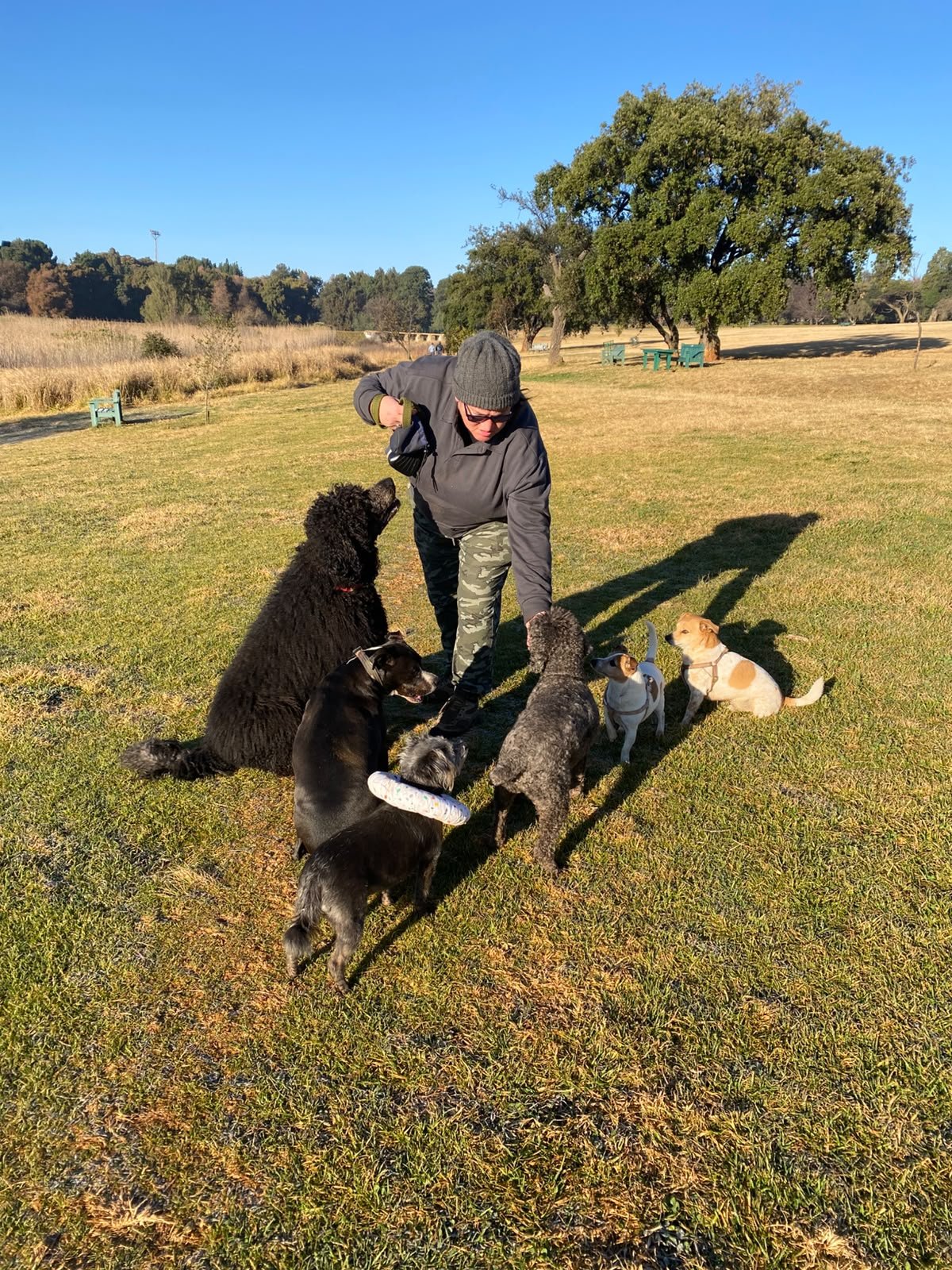
Enrol in a reputable puppy training class as soon as your vet gives the go-ahead, typically after the second vaccination. A good trainer will not only guide you through the fundamentals but will also provide invaluable socialisation opportunities for your puppy. Look for a trainer who uses force-free, reward-based methods and is accredited by a recognised body such as the Association of Pet Dog Trainers South Africa (APDTSA). The habits you build in the first six months of your dog's life will last a lifetime.






Write Your Opinion!
Log in or Sign up to leave a comment.