
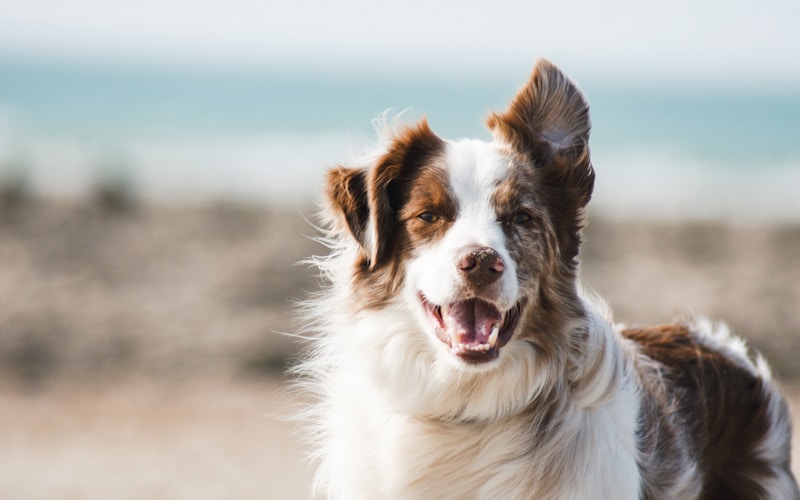
The best pet photographs are not taken — they are earned. They require patience, an understanding of your subject's personality and typical behaviour patterns, and a willingness to lie on the floor in the garden while your dog stares at you with polite confusion. The good news is that modern smartphone cameras are more than capable of producing stunning pet portraits, and the principles that separate a forgettable snapshot from a frame-worthy image are surprisingly simple to apply.
Light is the single most important element in any photograph, and pet photography is no exception. The golden hours of early morning and late afternoon produce warm, directional light that gives fur texture and depth and avoids the harsh shadows and blown-out highlights of midday sun. If you are shooting indoors, position your pet near a large north-facing window for soft, flattering natural light. Avoid using the built-in flash — it creates flat, unflattering light, causes red-eye, and often startles animals mid-session, killing their natural expression instantly.
Get down to your pet's level. The most common mistake in pet photography is shooting from standing height, which produces a looking-down perspective that feels distancing and rarely shows your pet at their best. Crouch, kneel, or lie flat — eye-level contact between camera and subject creates an immediate sense of intimacy and allows your pet's eyes to become the focus of the image. The eyes should always be in sharp focus; everything else can be slightly soft. Use your camera's portrait mode or set a wide aperture (low f-number) to blur the background and separate your subject from their environment.
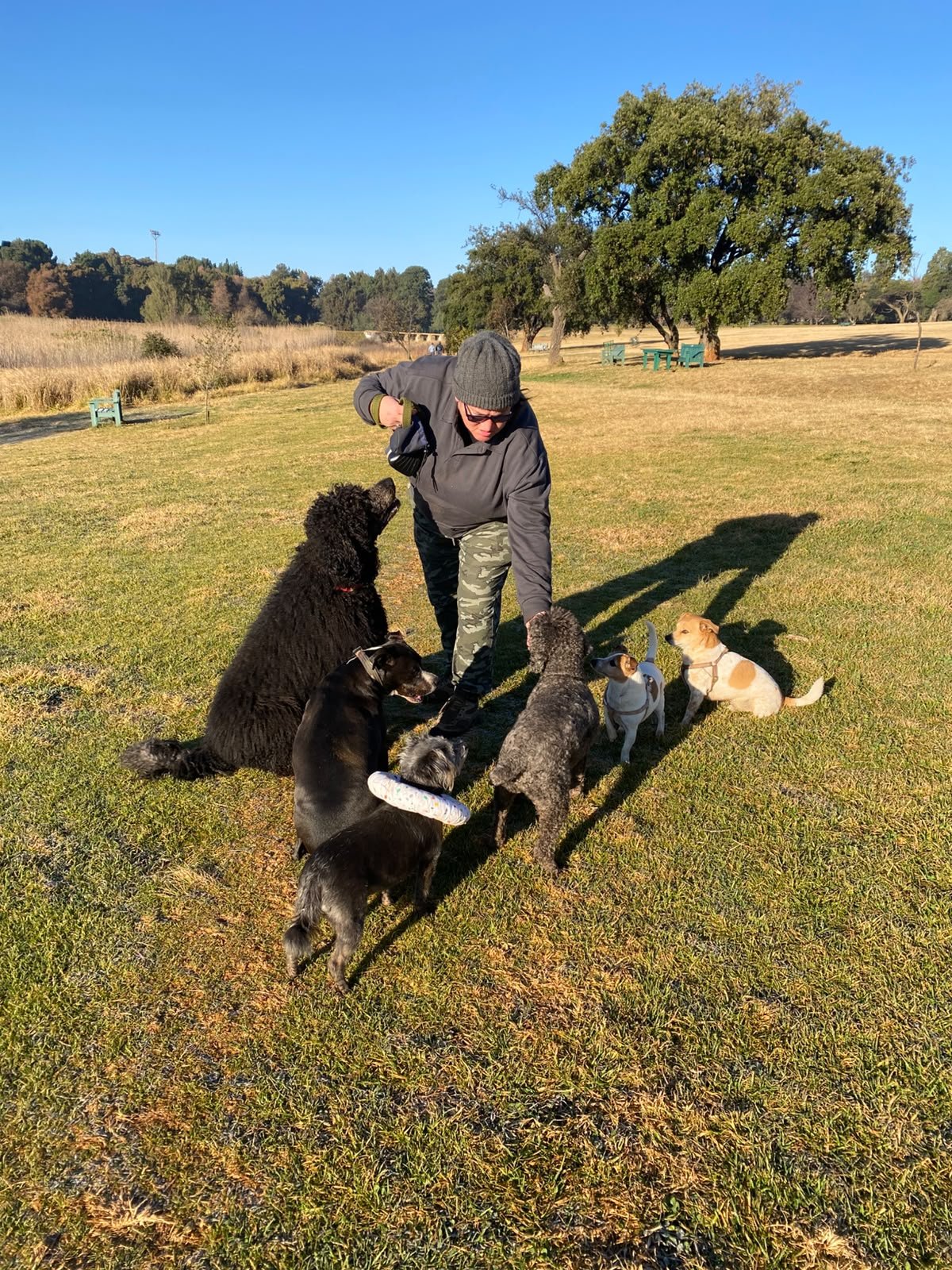
Capture personality rather than poses. The photographs that stop people mid-scroll are the ones that show a dog in full sprint, a cat mid-stretch, a rabbit mid-binky. Put your camera on burst mode and photograph natural behaviour rather than asking for formal sits and stays. A treat held just above the camera lens will give you perfect eye contact. A squeaky toy used once to get attention — then hidden — will reward you with the ears-forward, head-tilted expression that makes strangers online fall instantly in love with your pet.
South Africa's natural light and scenery provide extraordinary backdrops for pet photography. Beach sessions in the early morning, vineyards at sunset, and mountain fynbos trails offer backdrops that most pet owners in colder climates can only dream of. If you want to take your pet photography to the next level, consider a session with a professional pet photographer — several operate in Cape Town, Johannesburg, and Durban and can provide images that do true justice to the bond between you and your animal. Whatever equipment you use, the secret to a great pet photograph is always the same: know your subject, wait for the moment, and press the button when they are simply being themselves.






Write Your Opinion!
Log in or Sign up to leave a comment.