
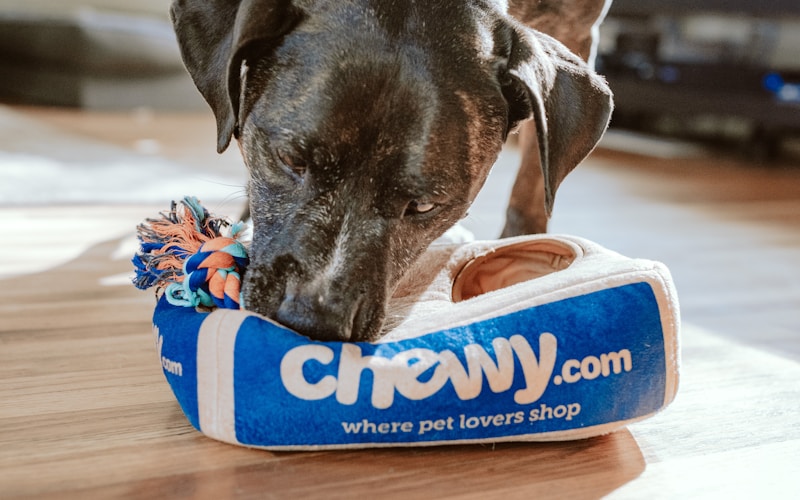
Boredom is the root cause of a surprising number of behavioural problems in domestic pets — destructive chewing, excessive barking, house soiling, and even aggression can all be expressions of an under-stimulated mind seeking an outlet. Physical exercise is essential, but mental enrichment is equally important and often underdelivered. The good news is that many of the most effective enrichment activities cost nothing or very little and can be created from everyday household items.
The sniff walk is one of the most powerful enrichment tools available to dog owners and requires no equipment at all. Instead of walking at a brisk pace and pulling your dog away from every interesting smell, allocate thirty minutes purely for sniffing. Let your dog lead, stop wherever they want, and spend as long as they need investigating each scent patch. Research shows that ten minutes of nose work is as mentally tiring as thirty minutes of physical exercise — a sniff walk is genuinely exhausting for your dog in the best possible way. It also gives anxious and reactive dogs a confidence-building, low-pressure way to engage with their environment.
For DIY food toys, a muffin tin and a tennis ball is all you need for a basic puzzle feeder: place kibble or treats in each muffin cup and cover with tennis balls. Your dog must work out how to remove each ball to access the food. Increase difficulty by leaving some cups empty. A frozen stuffed Kong or empty plastic bottle with kibble inside provides progressive challenge. For cats, scatter feeding — spreading kibble across a textured floor mat or the bottom step of a staircase — activates hunting instincts and turns a thirty-second meal into a ten-minute foraging exercise.
Cardboard boxes are perhaps the most versatile free enrichment tool for both dogs and cats. Fill a large box with crumpled newspaper and hide treats throughout for dogs to root through. For cats, cut entry holes of different sizes in several boxes and connect them into a cardboard tunnel system that can be reconfigured weekly. Paper bags (handles removed for safety), toilet roll tubes stuffed with treats, and egg cartons filled with kibble all provide cheap, disposable puzzle feeding opportunities. Rotate your enrichment offerings weekly — novelty is a key component of genuine enrichment.
Training sessions count as enrichment. Five minutes of learning a new trick — a spin, a middle position between your legs, identifying named toys — is mentally stimulating in a way that passive activities like watching television or lying in the garden simply are not. Teaching an animal something new requires concentration, problem-solving, and engages the reward pathways in the brain in a deep and satisfying way. The beauty of training as enrichment is that it simultaneously improves your pet's behaviour, deepens the communication between you, and gives your pet a sense of agency and accomplishment that is profoundly good for their wellbeing.





Write Your Opinion!
Log in or Sign up to leave a comment.