
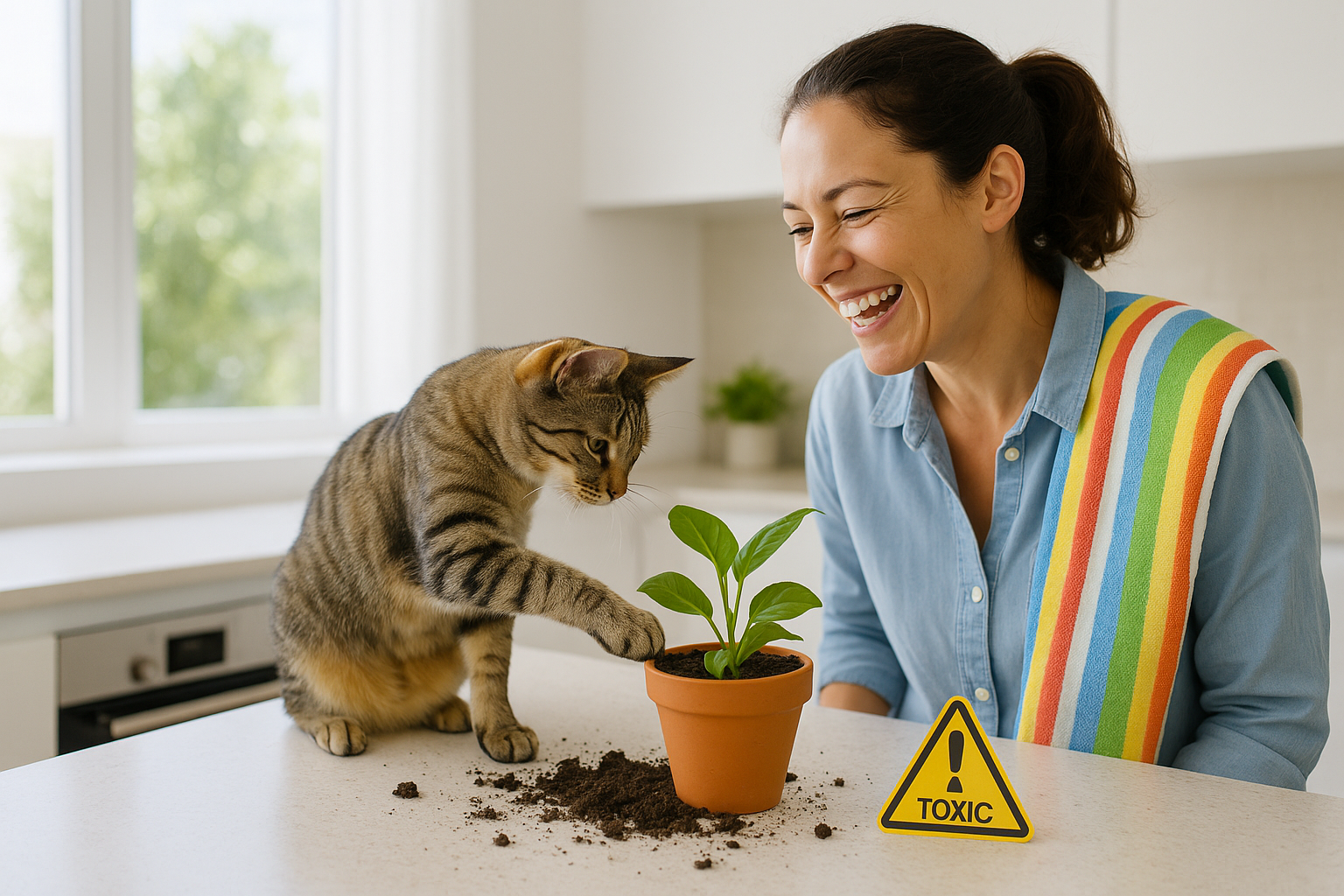
Navigating life in a bustling South African home with pets is both joyful and challenging. Imagine unwinding in your lounge after a long day, only to notice your curious cat has knocked over a potted plant, leaving a trail of soil on the floor. As you reach down to clean up, you can’t help but wonder: is this plant safe for your pet? Many pet owners share your concerns, but few realize just how many everyday household items can pose a danger to their furry friends.
Common Kitchen Hazards
The kitchen is the heart of the home, but it can also be a minefield of potential hazards for your pets. While you may think you’re being careful with food, common kitchen items can have toxic properties. For instance, many households in South Africa use cooking oils, sprays, or even leftovers that seem harmless to us but can threaten a pet’s health. Certain food items, like onions, garlic, and grapes, are surprisingly toxic, and many pet owners are shocked to learn that what goes into their meals can have dire consequences for their pets.
In addition to food, cleaning products are often overlooked. South African consumers often purchase household cleaners that are effective but may contain chemicals that could irritate or poison your pet. Labels can be misleading, often highlighting their ability to 'cut grease' or 'eliminate odors' without mentioning the hidden dangers they pose to our pets. Always store these items securely out of reach of your pets and consider using pet-safe alternatives.
Hidden Risks in Your Garden
For those of us lucky enough to have gardens, they bring beauty and serenity, but they can also pose threats. Many popular ornamental plants, such as lilies, azaleas, and even certain species of grass, are highly toxic to pets. In our warm climate, the allure of a lush garden can lead to unintentional poisoning if these plants are ingested. What may appear as a harmless snack or toy could lead to severe health complications. If you suspect your pet has ingested a toxic plant, contact your veterinarian immediately.
We often underestimate the dangers of pest control methods and fertilizers as well. Corners may be cut during load-shedding when looking for quicker pest solutions, leading to hazardous sprays being used both indoors and outdoors. Ensure any treatments are kept out of reach and labelled accurately to avoid a dangerous mix-up.
The Unassuming Dangers of Personal Care Products
Personal care items might seem harmless, but they can pack a punch when it comes to pet safety. Common products like sunscreen, soaps, and shampoos may contain ingredients that are toxic to animals. Some pet owners are surprised to find out that even products marketed as 'natural' can contain substances harmful to pets if ingested. Always check the ingredient list and consult your veterinarian if unsure about a product’s safety.
In your rush to freshen up before heading out, consider if your pet has been lounging nearby, and if their curious nature might just lead them to sampling your skincare items. Always store them in a secure location, and be mindful of what may come into accidental contact with your pets.
Miscellaneous Household Items to Watch
Finally, common household items often overlooked can pose serious risks. Batteries, for instance, can lead to choking or chemical burns if chewed or ingested. Even paper products soaked in chemicals, such as tapes and labels, might be enticing to pets and can pose ingestion risks. It’s easy to forget that even the most innocent-seeming objects can become dangerous in the paws of a curious pet.
As South African pet owners, our awareness of these hidden dangers is vital. Adjusting our habits and being diligent can significantly reduce the risk of poisoning incidents within our homes. Learning about the potential hazards in our environment can save our pets from unexpected accidents.
Practical Takeaways
- Identify potentially hazardous items in your home and secure them out of reach of your pets.
- Research common plants and garden materials to ensure pet safety.
- Choose pet-safe cleaning and personal care products where possible, and double-check labels for harmful ingredients.
- Educate yourself and your family about unusual dangers like batteries and common household goods.
Regular vigilance and a little bit of education can go a long way in keeping our pets safe in a world filled with hidden hazards.







Write Your Opinion!
Log in or Sign up to leave a comment.