
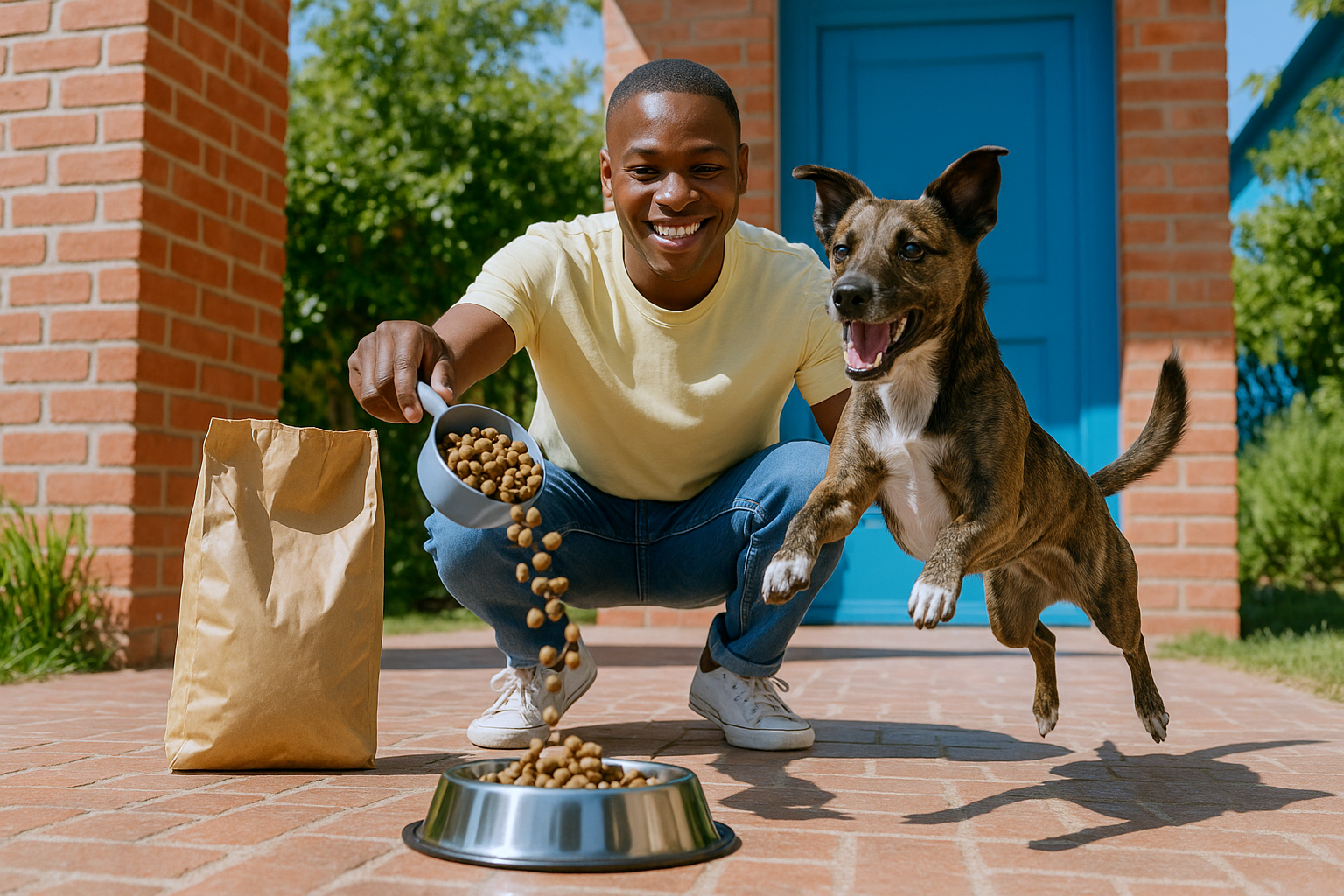
As you settle in for the evening, the reality of your pet’s growing waistline might weigh heavily on your mind. You’ve noticed their reluctance to chase after a ball or the heavy panting as they wander to the water bowl, and those extra treats seem to add up. But with a few simple adjustments to their feeding routine, you can take immediate steps to combat obesity, making an impact without stepping foot in a store. Here are some practical techniques to implement tonight.
Assess Food Portions Carefully
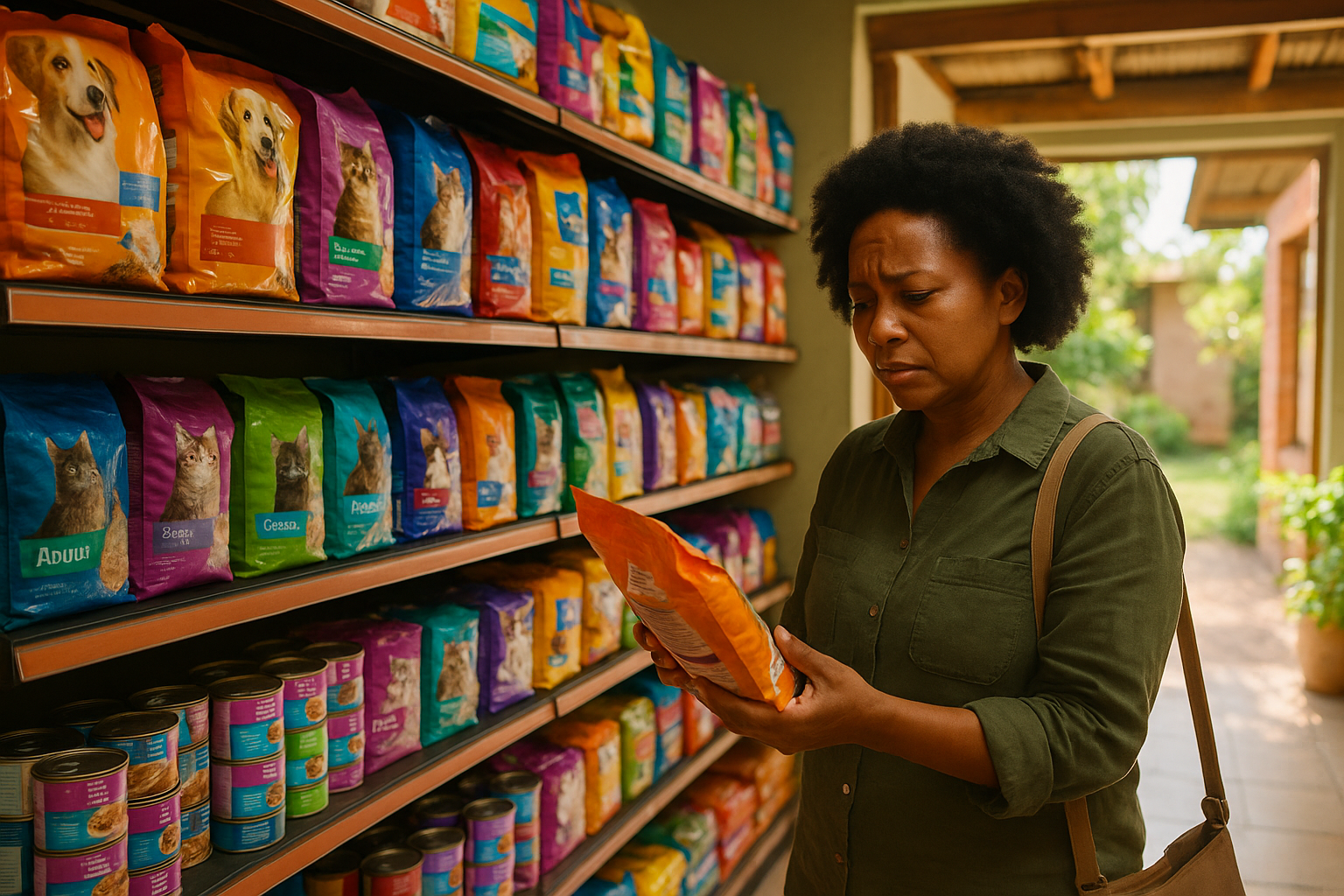
Before you do anything, take a moment to review how much you're currently feeding your pet versus the recommended portions. Most food packages have guidelines that indicate how much to feed based on your pet's weight, age, and activity level. If your pet is spayed or neutered, factor that into their calorie needs, as their metabolism can slow down.
To make changes, consider using a measuring cup or a kitchen scale if you have one. Dig out the measuring tools you have at home and start measuring your pet's food to ensure you're serving the correct portion. For instance, if your dog weighs 10 kg and the package suggests 120 grams of dry food per day, don’t just eyeball it—measure it out. You might discover you're accidentally giving 50 grams more. Adjusting these portions, even slightly, can significantly impact their weight over time.
Establish a Feeding Schedule
Pets thrive on routine, and by establishing a feeding schedule, you can help regulate their intake. While it may be tempting to leave food out all day (especially with the load-shedding interruptions we face), this can lead to overeating. Instead, commit to feeding your pet at specific times.
You can divide meals into two or three smaller portions throughout the day. For those with cats or picky dogs, confine the feeding time to 20–30 minutes before removing any uneaten food. This practice encourages your pet to eat what's provided without overeating or getting accustomed to constant access to food.
Engage in Physical Activity
This might sound obvious, but increasing physical activity can be a real game-changer. Many pet owners may think of engaging their pets in exercise only during weekends or trips to the dog park, which aren't always feasible for busy lives. However, there are many ways to incorporate activity into your daily routine right from home.
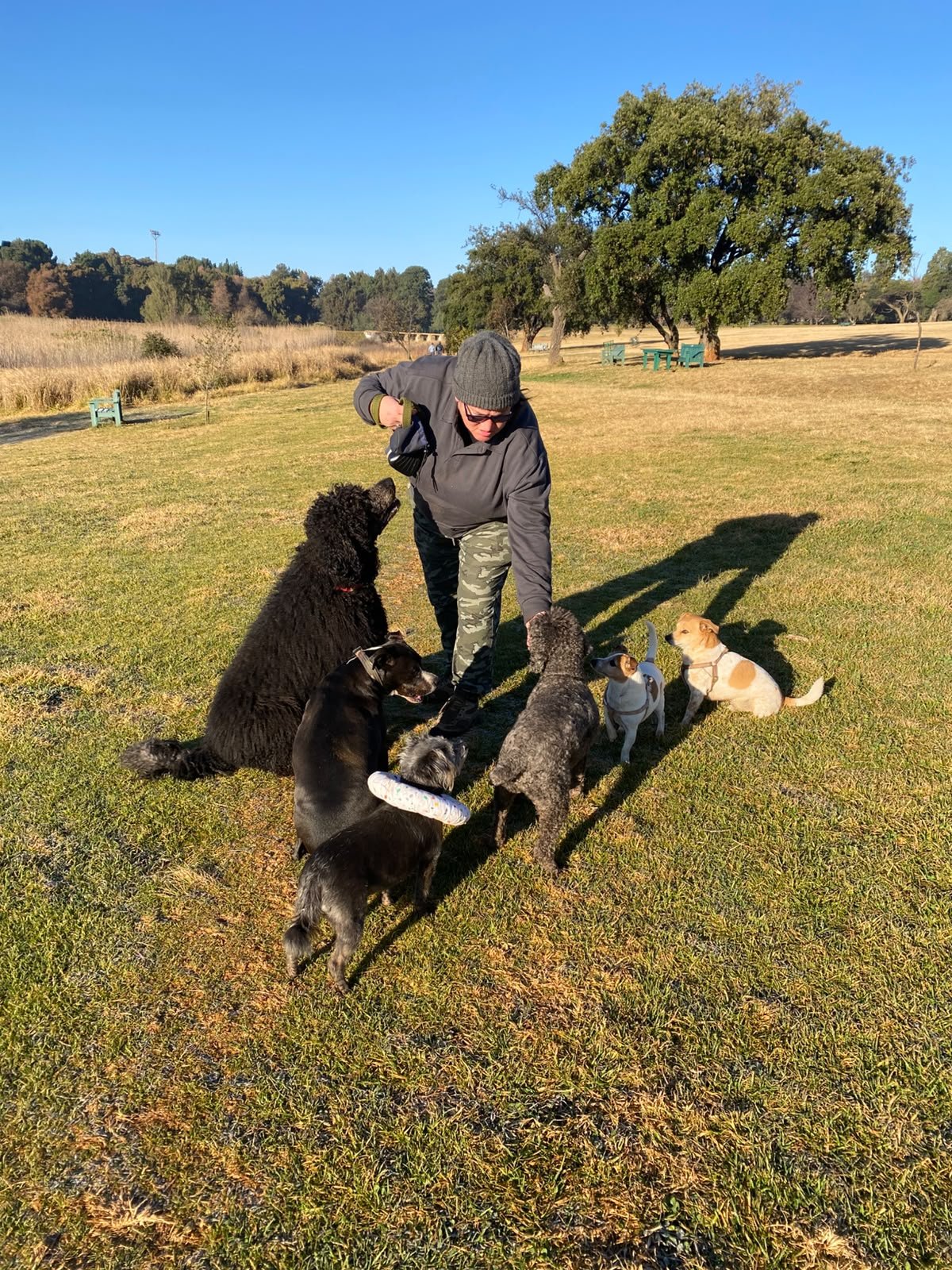
Consider a quick play session with your pet after dinner instead of lounging on the couch. A short game of fetch, a puzzle toy, or even a roving laser pointer can get them moving. If you have a yard, encourage them to run around. Additionally, if your dog is comfortable on a leash, you can take them for a longer walking route in your neighborhood. Even a brisk 15-minute walk can enhance their mood and metabolism dramatically.
Treats with Purpose
We all love to spoil our pets, especially with treats, but be mindful of how often you do this. Many well-meaning pet owners may underestimate the calories their pets consume through treats, leading to unintended weight gain. Instead of reaching for high-calorie snacks, think about adjusting how you use treats.
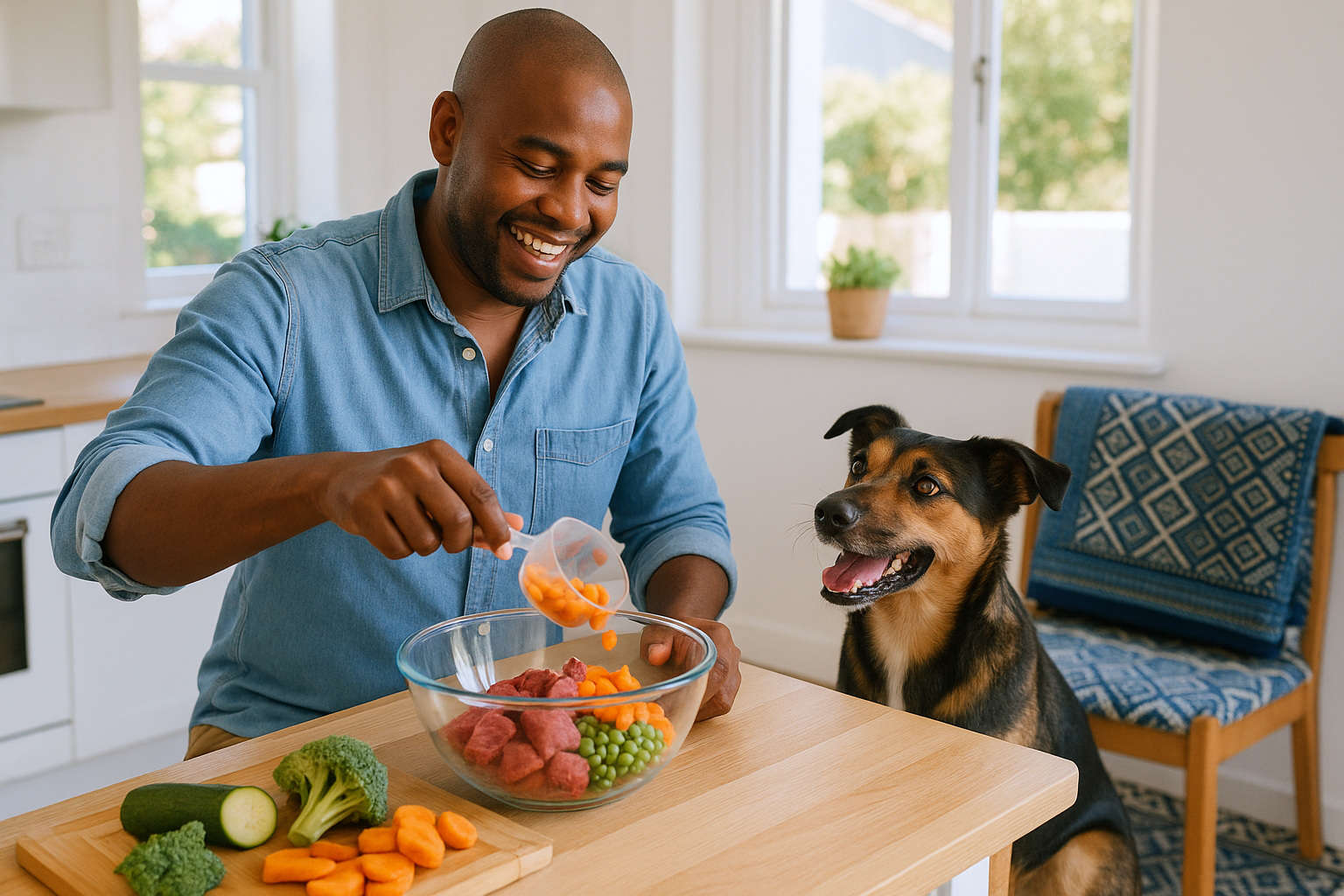
Instead of cookies or commercial treats, break your pet’s kibble into smaller pieces during training or use carrot sticks or cut-up apple slices (ensure they are safe for your particular pet type) as healthier alternatives. You’re not only reducing the calorie count but also enriching their diet with vitamins and nutrients. Set limits on how many treats you offer daily, and aim to replace a portion of their regular food with these healthier options if possible.
Implementing even a couple of these strategies tonight will set your pet on the right path to weight management. Remember that gradual changes are key to forming lasting habits for both you and your pet.
Practical Takeaways for Tonight:
- Measure your pet’s food according to packaging guidelines.
- Establish a consistent feeding schedule.
- Engage your pet in at least a 15-minute play session.
- Replace high-calorie treats with healthier options from your fridge.
- Observe your pet’s behavior; if you notice significant changes or unusual symptoms, it’s best to consult a vet.






Write Your Opinion!
Log in or Sign up to leave a comment.