
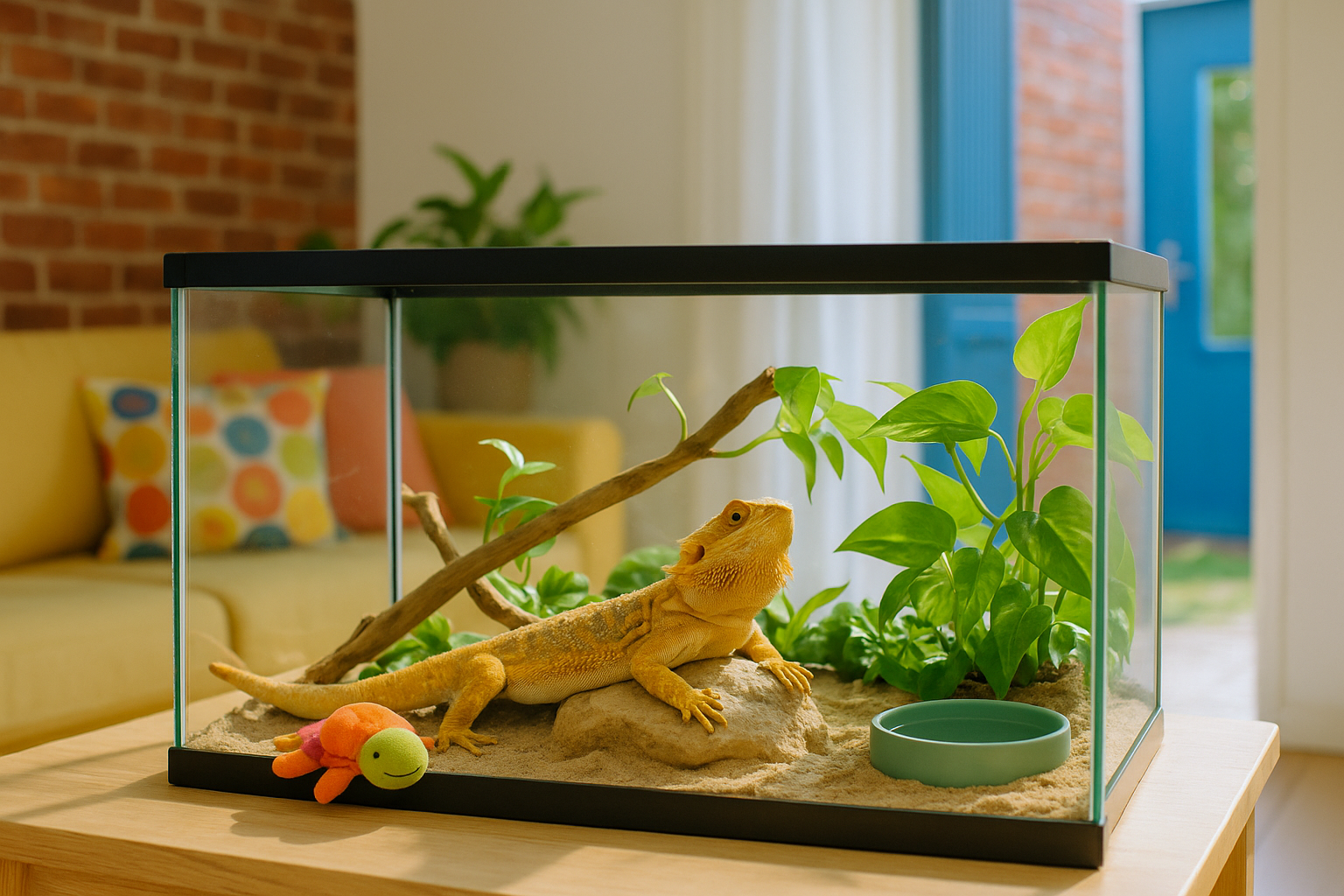
As you stand in your living room, surrounded by vibrant decor that reflects your personality, one corner is devoted to a spacious terrarium housing your beloved reptile. Whether it’s a bearded dragon, a leopard gecko, or a ball python, creating the right habitat for your pet is paramount to their health and happiness. Reptiles are unique creatures with specific needs, and understanding how to mimic their natural environment can enhance their quality of life.
Temperature Control
One of the most crucial elements of reptile habitat is the temperature. Reptiles are ectothermic, meaning they rely on external heat sources to regulate their body temperature. In South Africa, temperatures can vary significantly from province to province. For instance, the coastal regions of KwaZulu-Natal experience a subtropical climate, while the interior provinces like the Free State can be much cooler.
Knowing the specific temperature requirements for your reptile species is essential. Most reptiles need a temperature gradient in their enclosure — a basking area where they can warm up and a cooler area for when they need to cool down. You can use heat lamps or ceramic heat emitters for basking spots, ensuring that temperatures remain stable. Regularly monitor the temperature with reliable thermometers. Avoid overheating, as high temperatures can lead to stress or even heat stroke in reptiles. If you notice any signs of heat-related stress or illness, consult a veterinarian for guidance.
Maintaining Humidity
Humidity is another key factor in reptile habitat design, especially for species that thrive in humid environments. Proper humidity levels help reptiles shed their skin effectively and prevent issues like dehydration. In drier regions of South Africa, such as the Northern Cape, you may need to take extra care to maintain adequate moisture levels in your pet's habitat.
You can maintain humidity by misting the enclosure with water, using a substrate that retains moisture, or incorporating a small water feature like a shallow dish, depending on your reptile's needs. It’s also wise to invest in a hygrometer to monitor humidity levels regularly. If you notice your reptile struggling to shed its skin or showing signs of dehydration, it’s crucial to reassess the humidity levels in their environment.
Space and Enclosure Design
Your reptile's enclosure should be spacious enough for them to move freely. A cramped environment can lead to stress, physical issues, and behavioural problems. Consider the adult size of your reptile when selecting or building their habitat. For instance, while hatchling snakes may do well in a smaller terrarium, an adult will require a significantly larger space.
When designing the enclosure, think about vertical space as well. Reptiles such as chameleons, which are arboreal, need climbing opportunities. Use branches, logs, and plants to enhance the enclosure's complexity, giving your pet enriching environments to explore. Ensure that all decorations and materials used are non-toxic and safe for your reptile.
Lighting Considerations
Good lighting is vital for reptiles, especially for those that require UVB light to synthesize vitamin D3, essential for calcium absorption. Without it, reptiles can develop metabolic bone disease. The specific lighting needs will vary by species.
For instance, if you own a species like a leopard gecko, their requirements may differ from those of an iguana, which needs more UVB exposure. In areas affected by load-shedding, consider using alternative lighting options with sufficient UVB output to maintain consistent exposure for your reptiles. It may also be helpful to utilize a timer for your lights to simulate natural day-night cycles, as consistent lighting supports your pet's circadian rhythms.
Practical Takeaways
- Research Species Needs: Understand the specific habitat needs of your reptile species regarding temperature, humidity, and space.
- Monitor Conditions: Regularly check temperature and humidity with thermometers and hygrometers, adjusting as necessary.
- Design Enclosure Wisely: Choose an appropriately sized and designed enclosure, ensuring it has climbing opportunities and safe decor.
- Ensure Proper Lighting: Utilize appropriate UVB lighting based on species requirements, and maintain a contingency plan for load-shedding.
Setting up a suitable habitat requires initial investment and commitment, but it ultimately pays off in the health and happiness of your reptile companion. Through careful planning and consideration, you can provide an environment that replicates their natural habitat here in the diverse climates of South Africa.






Write Your Opinion!
Log in or Sign up to leave a comment.