
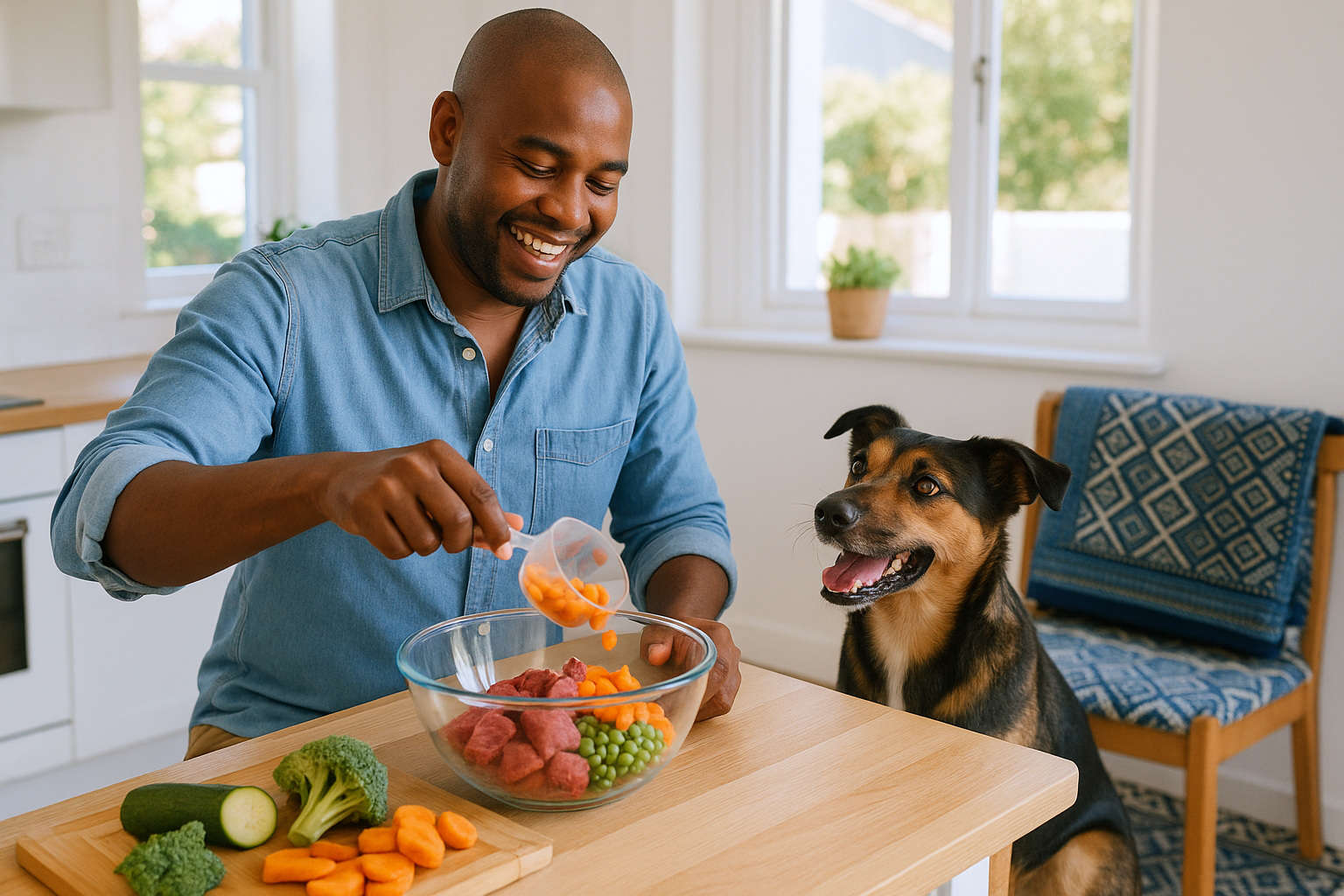
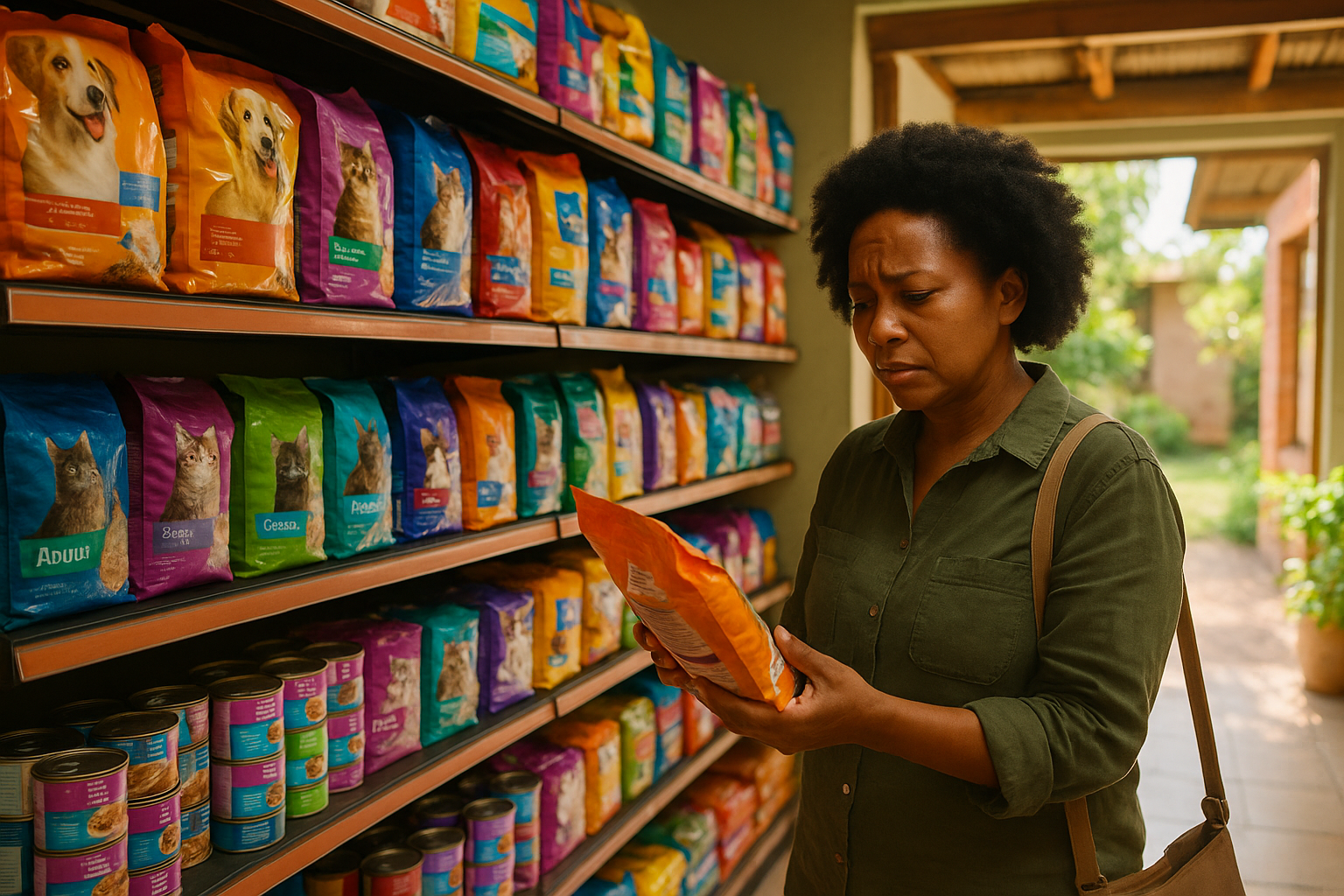
Every South African pet owner has faced that moment standing in the pet food aisle, overwhelmed by the multitude of options, ingredient lists, and price tags. With concerns around nutrition, digestion, and preservatives, it’s no wonder many dog owners are considering homemade pet food as a viable alternative. This choice not only gives you control over your dog’s diet but also strengthens your bond with them. In this article, we will explore the benefits of preparing homemade meals for your dog, what ingredients are safe, and how you can ensure balanced nutrition tailored to your pet's needs.
The Benefits of Homemade Pet Food
Preparing meals for your dog at home comes with numerous advantages. Foremost is the ability to control the quality of ingredients, which can greatly affect your dog’s health. Many commercial dog foods contain fillers and artificial additives that can lead to allergies and digestive issues. By making your dog’s meals at home, you can select high-quality proteins, grains, and vegetables while avoiding harmful preservatives.
Another benefit lies in the customization you can achieve. Each dog has unique dietary needs based on their age, breed, activity level, and health. Homemade food allows you to tailor their diet, whether you’re dealing with a senior dog that needs joint support or an active retriever requiring additional energy.
Safe Ingredients for Your Dog
While many of us enjoy cooking for our pets, it’s crucial to know which ingredients are safe and beneficial. Good protein sources include chicken, beef, turkey, and fish — all of which should be cooked without harmful seasonings or marinades. Keep in mind that some dogs may have difficulty digesting certain meats, such as pork and lamb.
Whole grains like brown rice and oats provide good carbohydrates for energy, while seeds or legumes can add fiber to their diet. Vegetables like carrots, peas, and sweet potatoes are not only nutritious but also helpful for maintaining your dog’s dental health. A small amount of olive oil can add healthy fats that promote a shiny coat.
However, it is essential to avoid harmful foods such as chocolate, grapes, onions, garlic, and avocados, which can be toxic to dogs. Always consult with your veterinarian or a pet nutritionist if you’re unsure about specific ingredients or dietary changes for your dog.
Ensuring Balanced Nutrition
Creating a balanced diet for your dog at home requires attention to detail. Dogs require a mixture of proteins, carbohydrates, fats, vitamins, and minerals. You can achieve this by rotating different protein sources, adding a variety of vegetables, and occasionally incorporating a vitamin supplement designed for dogs to cover any nutritional gaps.
Keeping it balanced doesn’t have to be daunting. Many pet owners find that meal prepping on the weekends makes it easier to manage their dog's diet throughout the week. Consider dedicating a few hours to preparing large batches of meals and freezing them in portions. This not only saves you time but also ensures your dog receives homemade meals consistently, even during busier weeks.
Also, pay attention to portion sizes. Overfeeding can lead to obesity, a common issue in pets that can lead to serious health problems. Generally, you should measure your dog’s food based on their weight, age, and activity level, adjusting as necessary based on their health and body condition. Consulting with your veterinarian during this assessment is highly recommended.
Affordable and Practical Approaches
Home-cooked pet food doesn’t have to break the bank. Consider buying ingredients in bulk, especially grains and meats. Local markets or butcheries can often provide more affordable options than big-name stores. Additionally, seasonal vegetables may be cheaper, allowing you to vary and enrich your dog’s diet while sticking to your budget.
If you're able to source ingredients locally, you also support your community and reduce the carbon footprint associated with transportation. With South Africa's diverse climate, you might find local options like vegetables and grains that suit both your budget and your pet’s needs.
As load-shedding continues to be a challenge, preparing food in bulk and freezing meals is particularly useful. This way, when the lights go out, you already have nutritious meals ready for your canine companion, ensuring their dietary needs are met regardless of power disruptions.
Practical Takeaways
- Evaluate your dog's current diet and consider transitioning to homemade meals for better ingredient control.
- Always consult your veterinarian about specific dietary needs and suitable ingredients for your dog before making significant changes to their diet.
- Start meal prepping at home using safe and nutritious ingredients, paying special attention to balancing their diet.
- Stay well-informed about what foods are harmful to dogs and adjust your recipes accordingly.
- Explore local markets for fresher, affordable ingredients to minimize costs while ensuring quality.
By taking the step towards homemade meals, not only do you cater to your dog’s health, but you also deepen the companionship you share. With careful planning and consideration, preparing wholesome food at home can be straightforward and fulfilling for both you and your beloved pet.









Write Your Opinion!
Log in or Sign up to leave a comment.