
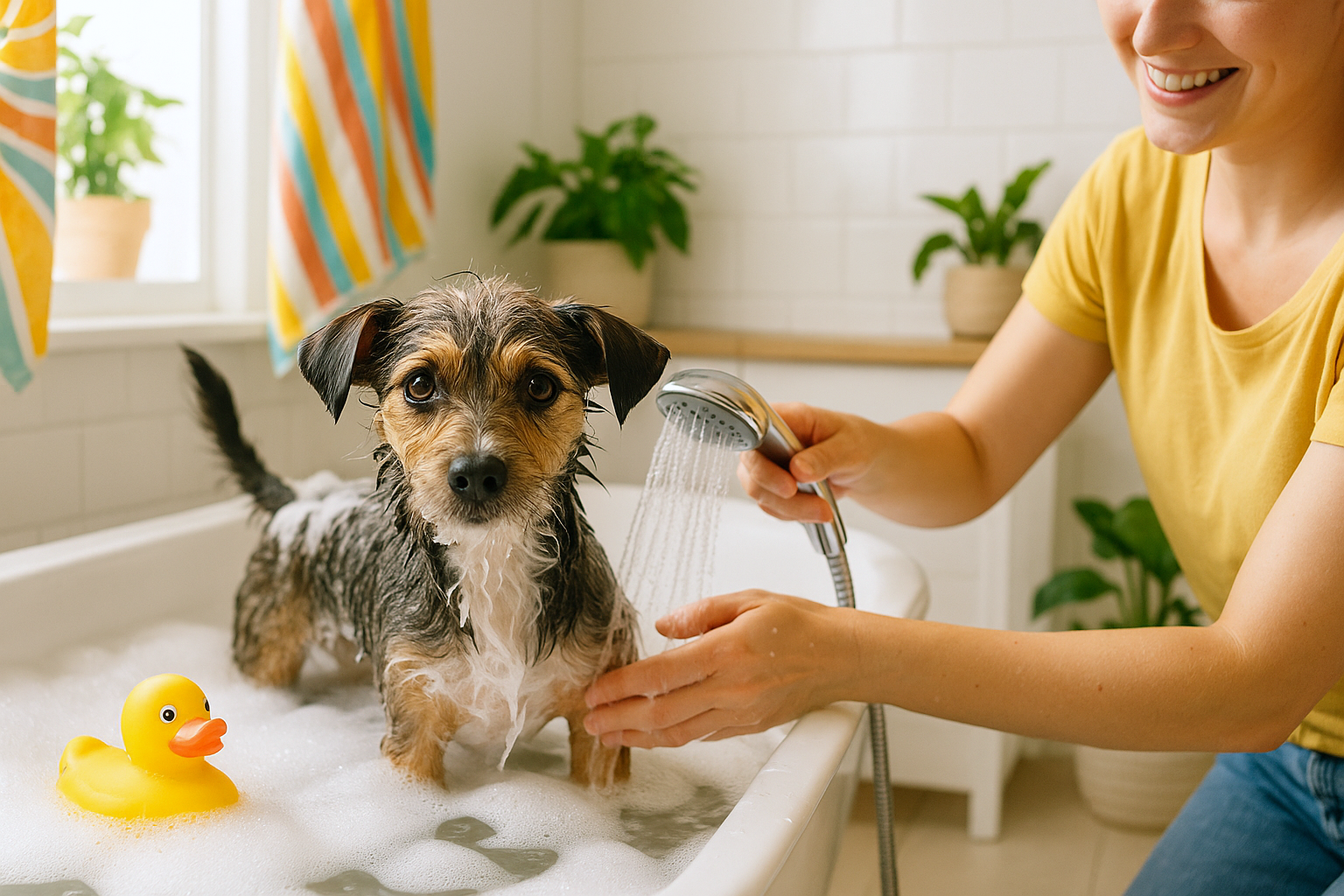
As you stand in the bathroom, a towel draped over your shoulder and your dog looking less than thrilled in the bathtub, you might wonder if another bath is truly necessary. Many South African pet owners grapple with the belief that frequent bathing can harm their dog’s skin. From the Cape Town coast to the bustling streets of Johannesburg, the debate rages on among dog lovers about the ideal bathing frequency for their furry companions. In this piece, we’ll unravel the common myth around bathing frequency and explore how it affects skin and coat health, while considering the nuances of different breeds.
Understanding Dog Skin and Coat Health
Dogs’ skin is quite different from human skin. It is generally thicker, contains more oil, and has a unique microbiome that helps protect against infections. The notion that frequent bathing can strip away these natural oils is rooted in truth but does not tell the whole story. Natural oils do provide a protective barrier, but excessive dirt, allergens, and parasites can irritate a dog's skin, leading to issues like discomfort and infections.
Moreover, South African dogs face unique environmental challenges. In provinces like Gauteng, where dust storms can be common, or the coastal areas where seawater and sand can be irritating, regular baths may actually be beneficial in maintaining skin health. However, the key is to use a pH-balanced dog shampoo designed for their skin type. Many commercial options are available, and it’s important to avoid human shampoos as they can disrupt a dog’s natural skin balance.
Frequency Matters: It Depends on the Breed
One of the major factors that influence how often a dog should be bathed is its breed. For example, breeds with oily coats, such as Dachshunds, may require more frequent bathing to control their natural oil production. Conversely, breeds like the Shiba Inu have coats that naturally repel mud and water, and may only need a bath every few months unless they get particularly dirty. Similarly, if you’re in an area with a lot of outdoor activities, like hiking in the Drakensberg, your dog may benefit from a bath afterward to wash off dirt and allergens.
Coat type also plays a significant role; long-haired breeds or those with double coats, such as Golden Retrievers, may need more regular grooming and occasional baths to keep their skin healthy and free from mats. In contrast, short-haired breeds may require less frequent baths since their fur is easier to maintain. No matter the breed, monitoring your dog's skin and coat condition will provide clues about how often they should be bathed.
Listen to Your Dog’s Needs
Every dog is unique, and their needs can vary. Some dogs naturally have oilier skin or are more prone to allergies and skin irritations, which may necessitate more regular bathing. Signs that it might be time for a bath include an unpleasant smell, excessive scratching, or noticeable dirt. On the other hand, if your dog exhibits dry skin or excessive flaking, you might be bathing them too often.
In South Africa, where the climate can fluctuate significantly—from hot, dry summers to cooler, wet winters—skin conditions can also be seasonal. Pay attention to how your dog behaves during these different times of the year. If you notice that they seem uncomfortable or their skin becomes irritable, you might need to adjust your bathing schedule accordingly. If you have any concerning symptoms, consult your vet for tailored insights into your dog’s specific skin and coat needs.
The Myth of Overbathing
The myth that bathing your dog too frequently is categorically harmful to their skin is an oversimplification. While it’s true that excessive bathing can strip essential oils, the reality is that many dogs may thrive with regular baths, especially when guided by their unique needs. Identifying which parts of this myth are outdated or merely oversimplified can help owners make informed decisions about their grooming routines.
In summary, more frequent bathing isn't inherently bad; it really depends on breed, skin condition, and lifestyle. Understanding the specific nuances related to your dog can help foster healthy skin and coat while dispelling outdated myths.
Practical Takeaways
- Assess your dog’s breed and coat type to determine appropriate bathing frequency.
- Use dog-specific shampoos to maintain skin balance and health.
- Monitor your dog’s skin for dryness or irritation to adjust bathing routines as needed.
- Don’t hesitate to consult your vet for personalized guidance, especially regarding sudden changes in skin health or coat condition.










Write Your Opinion!
Log in or Sign up to leave a comment.