
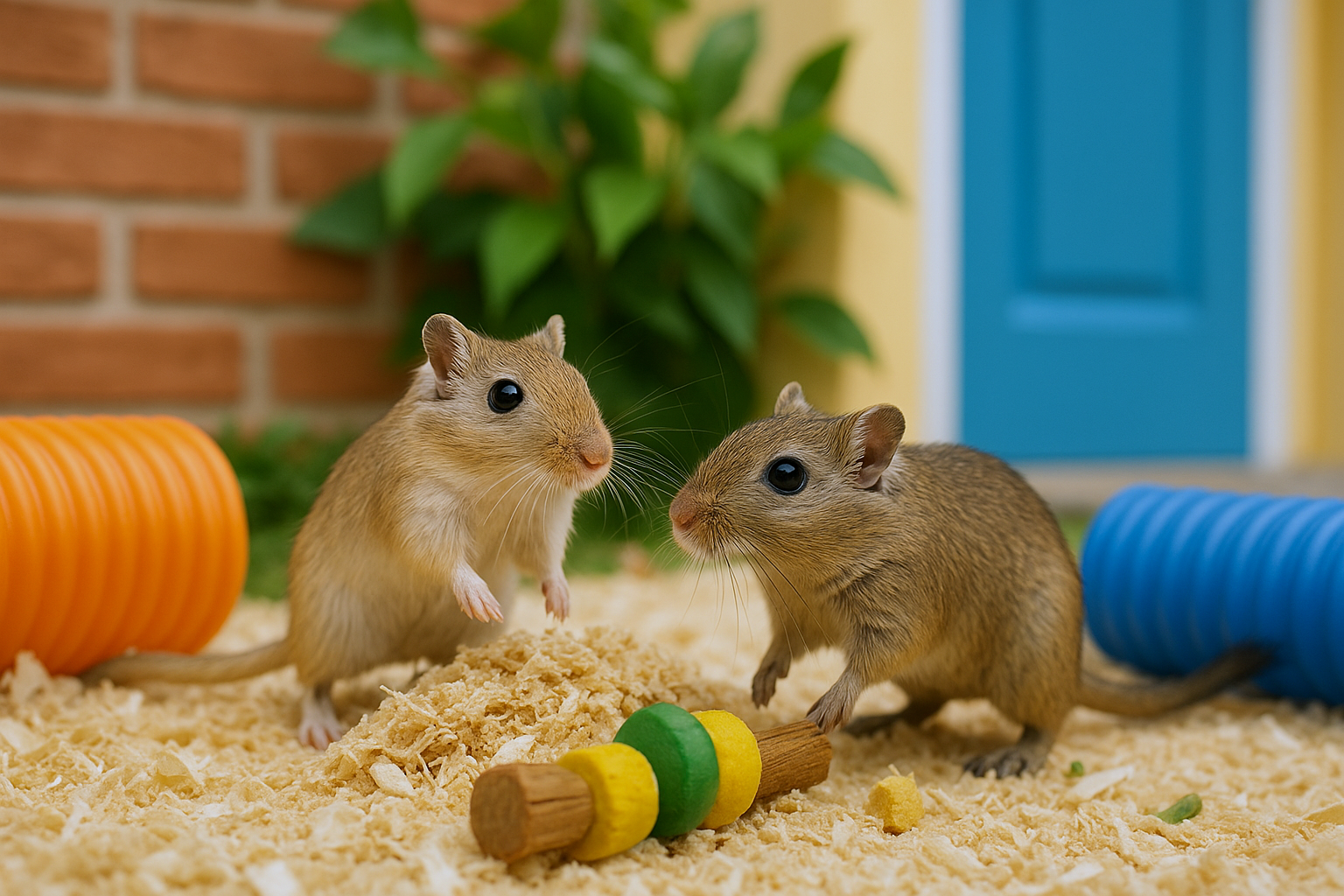
Imagine watching your two gerbils scurry around their habitat, engaging in what appears to be an elaborate dance, only to suddenly halt and face each other, noses twitching. As a pet owner in sunny South Africa, you might find yourself intrigued by their playful antics but wondering whether you're truly grasping their social complexities. Gerbils, often underrated as simple pets, possess rich social behaviours that are deeply rooted in their natural instincts. A little knowledge about their social dynamics can enhance their well-being and improve your bond with these small creatures.
The Nature of Gerbil Social Structure
In the wild, gerbils are social animals that thrive in family groups. Their behaviour is influenced by their instincts to feed, create burrows, and protect one another. Unlike solitary animals, gerbils derive security from living in groups, which helps them to manage threats from predators. In your home, these social structures can translate into playful interaction, grooming rituals, and even occasional quarrels. Understanding these social hierarchies can help you appreciate the bonds they form, making it easier to identify stress signals or disputes.
Gerbils communicate with each other through body language and vocalizations, signaling everything from comfort to irritation. For instance, if you notice them standing upright or arching their backs, it may be a display of dominance or a warning signal to other gerbils. By observing these behaviours, you can foster a harmonious environment.
The Importance of Companionship
Gerbils are not solitary creatures, and having a companion is crucial for their mental and physical health. Keeping a pair is usually recommended, as they will provide each other with the social stimulation required for a fulfilling life. When introducing new gerbils, it's important to do so gradually to avoid aggressive behavior. A proper introduction can be achieved through partitioned spaces where they can see and smell each other without direct contact.
As social animals, gerbils engage in various activities that strengthen their bond, such as grooming or play-fighting. These interactions are vital for their happiness and help prevent stress-related problems, which are often visible as excessive digging or chewing. Given our often unpredictable load-shedding schedules, providing a stable environment will ensure your gerbils feel secure enough to express their natural behaviours.
Understanding Aggression and Territory
While gerbils generally exhibit friendly behaviours, territorial disputes can arise. This often occurs when they feel their space is threatened. In the wild, gerbils compete for resources and burrowing space, making territoriality a natural trait. If you notice your gerbils engaging in aggressive behaviour such as biting or persistent chasing, it is crucial to intervene. Overcrowding their habitat or not providing enough nesting materials can exacerbate these issues.
Setting up a spacious living area with multiple hideouts can decrease stress caused by overcrowding. It’s also advisable to observe their dynamics, as certain gerbils may be dominant, while others might be more submissive. This observation will help you decide whether to separate them to avoid any harm. If aggressive behaviour persists, consult a vet for professional advice on how to manage their interactions.
The Role of Environmental Enrichment
Creating an engaging environment is vital for enhancing the social behaviour of your gerbils. South Africa's varied climate can impact their habitat, so ensure that the temperature is comfortable and avoid exposing them to extreme weather conditions. Adding various toys, tunnels, and bedding materials allows your gerbils to explore and play, reflecting what they would do in the wild.
Regularly changing their environment can stimulate their curiosity and encourage natural behaviours, such as burrowing and foraging. You can create this enrichment by introducing new chew toys or using cardboard tubes to simulate tunnels. Additionally, the introduction of safe, edible plants can enhance their foraging instincts, providing an outlet for their natural behaviours.
In summary, understanding gerbil social behaviour is crucial for creating a nurturing environment that allows your small pets to thrive. By decoding their behaviours and providing companionship and enrichment, you not only cater to their needs but also deepen the bond that you share with them.
Practical Takeaways
- Observe your gerbils regularly to understand their social interactions and identify any signs of stress or aggression.
- Keep at least two gerbils together to promote social bonding — do proper introductions to avoid territorial disputes.
- Enrich their environment with various toys, tunnels, and safe plants to foster natural behaviours.
- Monitor their habitat conditions, keeping their home comfortable and secure.










Write Your Opinion!
Log in or Sign up to leave a comment.