
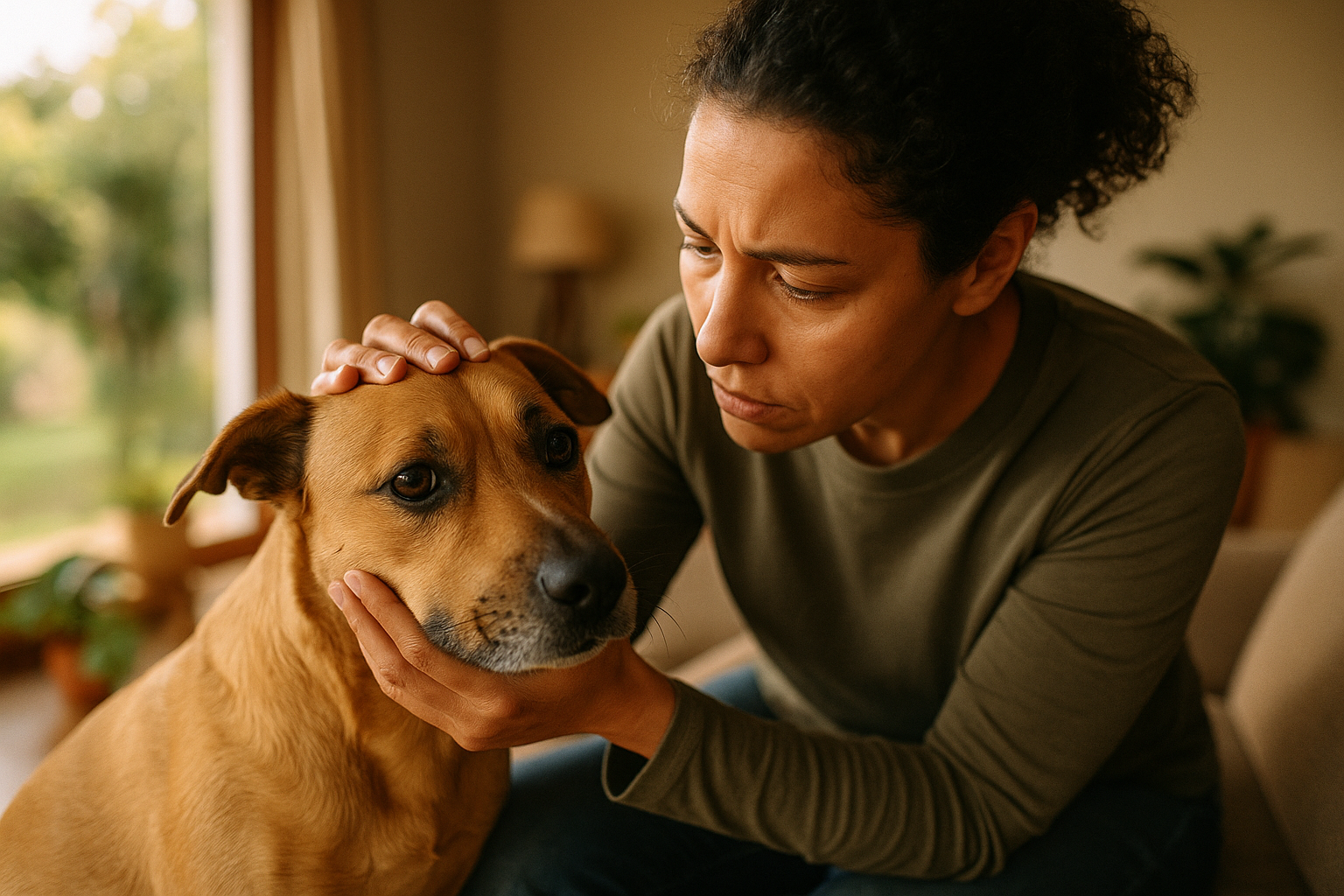
As winter settles across South Africa, dog owners may notice their furry companions acting a bit differently. Avid outdoor escapades may give way to more indoor lounging, often accompanied by unwanted sneezing, scratching, or other signs of discomfort. During this time of year, many dogs may face seasonal allergies, triggered by various environmental factors unique to South Africa. Understanding how to recognize these allergies and manage them can help ensure your dog remains comfortable and happy throughout the cooler months.
Signs of Seasonal Allergies in Dogs
Identifying whether your dog is suffering from seasonal allergies requires keen observation. Common signs may include:
- Itching and Scratching: Dogs with allergies often experience itchy skin, leading them to scratch excessively or bite at their paws. Look for areas where your dog may have red or inflamed skin.
- Sneezing and Coughing: If you find your dog sneezing more than usual or coughing intermittently, it can indicate respiratory irritation from allergens in their environment.
- Watery Eyes and Nose: Dogs may exhibit signs like watery eyes and a runny nose during allergy flare-ups. If your dog seems like they have a perpetual case of sniffles, it may be worth looking into.
- Ear Infections: Allergies can cause inflammation that may lead to ear infections, which can be noticeable if your dog frequently shakes their head or scratches their ears.
Since each dog is different, their reactions can vary significantly. If you observe persistent symptoms, it is advisable to consult your veterinarian for a proper diagnosis. Persistent or severe reactions might require a tailored treatment plan.
Factors Contributing to Seasonal Allergies
Several factors can contribute to your dog developing seasonal allergies in winter. The change in climate brings different allergens to the forefront:
- Pollen: In South Africa, certain plants may emit pollen at various times throughout the year, including winter in milder climates. Grasses, weeds, and trees can contribute to allergic reactions even during this season.
- Dust Mites and Mold: With colder temperatures and potential load-shedding affecting indoor air quality, dust mites and mold can proliferate indoors. Regular cleaning and maintenance can help mitigate these allergens.
- Temperature Fluctuations: Sudden drops in temperature may provoke allergies or exacerbate existing symptoms, especially in sensitive breeds or older dogs with underlying health issues.
Strategies for Managing Your Dog’s Allergies
If you identify that your dog may be suffering from seasonal allergies, several strategies can help make them more comfortable:
- Regular Grooming: Brushing your dog regularly can help remove allergens from their fur, lowering the chances of skin issues while promoting healthier skin and coat.
- Bathing: Bathing your dog with a gentle shampoo can soothe their skin and wash away irritants. Consult your veterinarian for recommendations on the frequency and appropriate products to avoid stripping natural oils from their skin.
- Minimizing Allergen Exposure: Keeping your home as allergen-free as possible can offer your dog relief. Consider using air purifiers in rooms where your pet spends the most time, and regularly wash bedding and toys to remove dust and pollen.
- Dietary Considerations: While food allergies are typically linked to specific ingredients rather than seasonal changes, maintaining a balanced diet and proper hydration can support your dog’s overall health and may enhance its immune response. Speak with your veterinarian about any dietary supplements that might be beneficial for your dog’s condition.
When to Consult Your Veterinarian
If your dog shows signs of significant distress, persistent symptoms, or dramatic changes in their behavior (such as lethargy, excessive grooming, or unwillingness to engage in normal activities), it’s crucial to consult your veterinarian. Professional guidance is essential, as untreated allergies can escalate, leading to more severe skin infections or respiratory issues.
Practical Takeaways
- Regularly observe your dog for any signs of discomfort during winter.
- Maintain a clean indoor environment by using air purifiers and regularly washing pet items.
- Consult your veterinarian if symptoms persist or worsen. Your dog’s health and comfort should be a top priority.
Being proactive about your dog’s well-being will help ensure they enjoy comfort throughout the winter months. Knowledge and timely action can help alleviate discomfort and improve your dog’s quality of life, allowing you both to enjoy a cozy season together.






Write Your Opinion!
Log in or Sign up to leave a comment.