
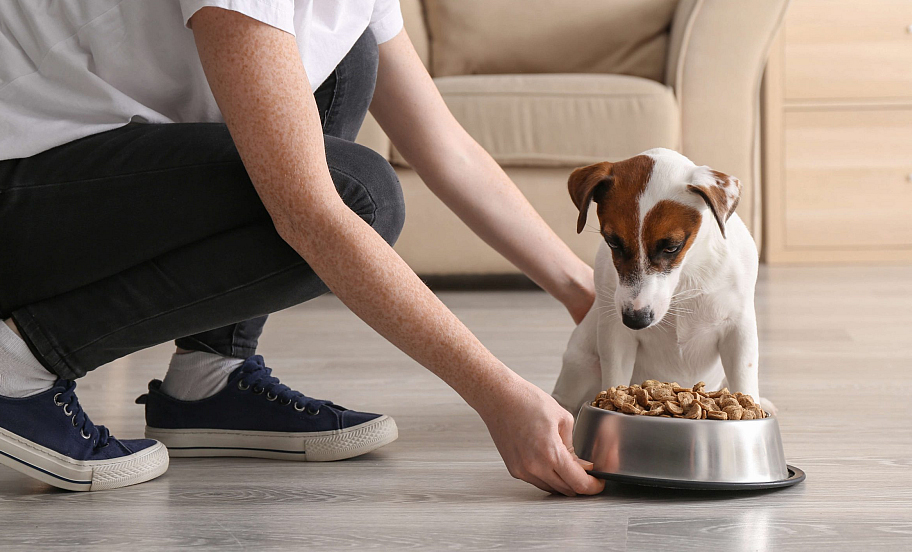
As the sun sets over a bustling braai in the heart of Joburg, you overhear fellow dog owners chatting about the latest trend in canine nutrition: raw eggs. "I swear by them!" declares one. "My dog’s coat has never looked better since I started adding them to his meals." This common belief has spread among pet owners, prompting us to explore whether raw eggs truly enhance a dog’s coat or if this notion is built on myths.
The Nutritional Breakdown of Raw Eggs
To understand the belief that raw eggs promote a healthy coat in dogs, it's essential to delve into their nutritional content. Raw eggs are rich in protein, essential fatty acids, and biotin, all of which can contribute to overall coat health. Biotin is often praised for its role in maintaining skin and fur quality. Nutrient-rich diets with sufficient protein and specific vitamins can enhance the appearance of a dog's coat, making it shinier and healthier.
However, it’s important to note that eggs do not contain all the essential nutrients that your dog requires. A balanced diet is crucial for your dog’s overall health and appearance. Relying solely on raw eggs could lead to nutritional imbalances that may affect your dog negatively in the long run.
The Risks of Feeding Raw Eggs
Despite their potential benefits, feeding raw eggs to dogs isn't without risks. One of the primary concerns is the possibility of salmonella contamination, which can pose a health risk to both pets and their human companions. While dogs generally have a more robust digestive system than humans and may be more resistant to some pathogens, they are not entirely immune to foodborne illnesses. Symptoms of salmonella may include vomiting, diarrhea, and lethargy; if you see these signs in your dog, consult a veterinarian immediately.
Additionally, raw egg whites contain avidin, a protein that can interfere with biotin absorption. While this isn't typically a concern for occasional consumption, frequent feeding of raw eggs could potentially lead to biotin deficiency. Therefore, moderation is key if you decide to incorporate raw eggs into your dog's diet.
Alternatives to Raw Eggs for a Healthy Coat
If you're concerned about the potential downsides of raw eggs, there are alternatives that can still support a dog’s coat health. Ingredients like flaxseed oil or fish oil, for example, are high in omega-3 fatty acids, which are known to benefit skin and coat quality. Incorporating these into your dog's diet can provide similar benefits without the associated risks of raw eggs.
Another option is to focus on commercially available dog foods that are well-balanced and specifically formulated to promote coat health. Many reputable brands in South Africa offer specialized diets that can enhance fur quality based on your dog's breed, size, and age. Always ensure that the food you choose is of high quality and preferably recommended by veterinarians.
Understanding Your Dog’s Individual Needs
Ultimately, the decision to include raw eggs in your dog's diet should be based on individual assessment. Some dogs may benefit from the added protein and nutrients, particularly if their current diet lacks sufficient variety. However, others may not react positively due to underlying health issues or sensitivities.
Before introducing any new food into your dog's diet, consult your veterinarian. They can evaluate your pet’s specific needs and help ensure that you're making the right choices for their health and well-being.
Practical Takeaways
- If you wish to try adding raw eggs to your dog’s diet, do so in moderation and watch for any adverse reactions.
- Consider safer alternatives like flaxseed oil or fish oil for coat health without the risks associated with raw eggs.
- Always prioritize a balanced diet to meet your dog’s nutritional needs, and consult with a vet when in doubt.
- Look for any signs of distress or allergies when introducing new foods to your dog, prioritizing high-quality, veterinarian-recommended options.









Write Your Opinion!
Log in or Sign up to leave a comment.