

As you sit on your porch in the Eastern Cape, watching your dog dig in the garden while your cat lounges nearby, the thought crosses your mind: could natural remedies keep them free from worms? Many South African pet owners share this sentiment, holding on to the belief that herbs and other natural solutions can effectively substitute traditional deworming methods. However, a deeper dive into the efficacy of these approaches reveals a complex picture that’s important for all pet owners to understand.
The Natural Appeal
It’s easy to see why natural remedies are so appealing. With the rise of holistic living and a growing interest in organic and natural products, many pet owners are actively seeking alternatives to conventional medications. South Africa has a rich history of using traditional herbs in various aspects of daily life, with some believing that these same remedies can be effective for their pets.
Common natural deworming methods you might encounter include ingredients like pumpkin seeds, diatomaceous earth, and crushed garlic. Supporters often claim that these remedies can boost a pet’s immune system and assist in preventing or even treating worm infestations. However, while there might be some merit to these natural remedies in enhancing overall health, the evidence on their effectiveness specifically against worms is largely anecdotal. Many veterinarians caution against relying solely on these methods, particularly because not all remedies are safe for all pets. The truth is that natural does not always equate to safe or effective when it comes to deworming. Consult your veterinarian before introducing any new treatment.
When Natural Remedies May Fall Short
It’s essential to understand that not all worms are created equal. South African pets face various types of intestinal worms, such as roundworms, tapeworms, and hookworms, each requiring specific treatment for elimination. Many veterinarians advocate for regular deworming protocols tailored to a pet's lifestyle and risk factors, particularly in areas where parasites are prevalent.
For instance, outdoor pets exposed to wildlife are at a higher risk of worm infestations compared to their indoor counterparts. Likewise, puppies and kittens are especially vulnerable, as they can quickly develop severe health issues if worms are left untreated. In these cases, conventional deworming medications are often necessary to effectively control infestations.
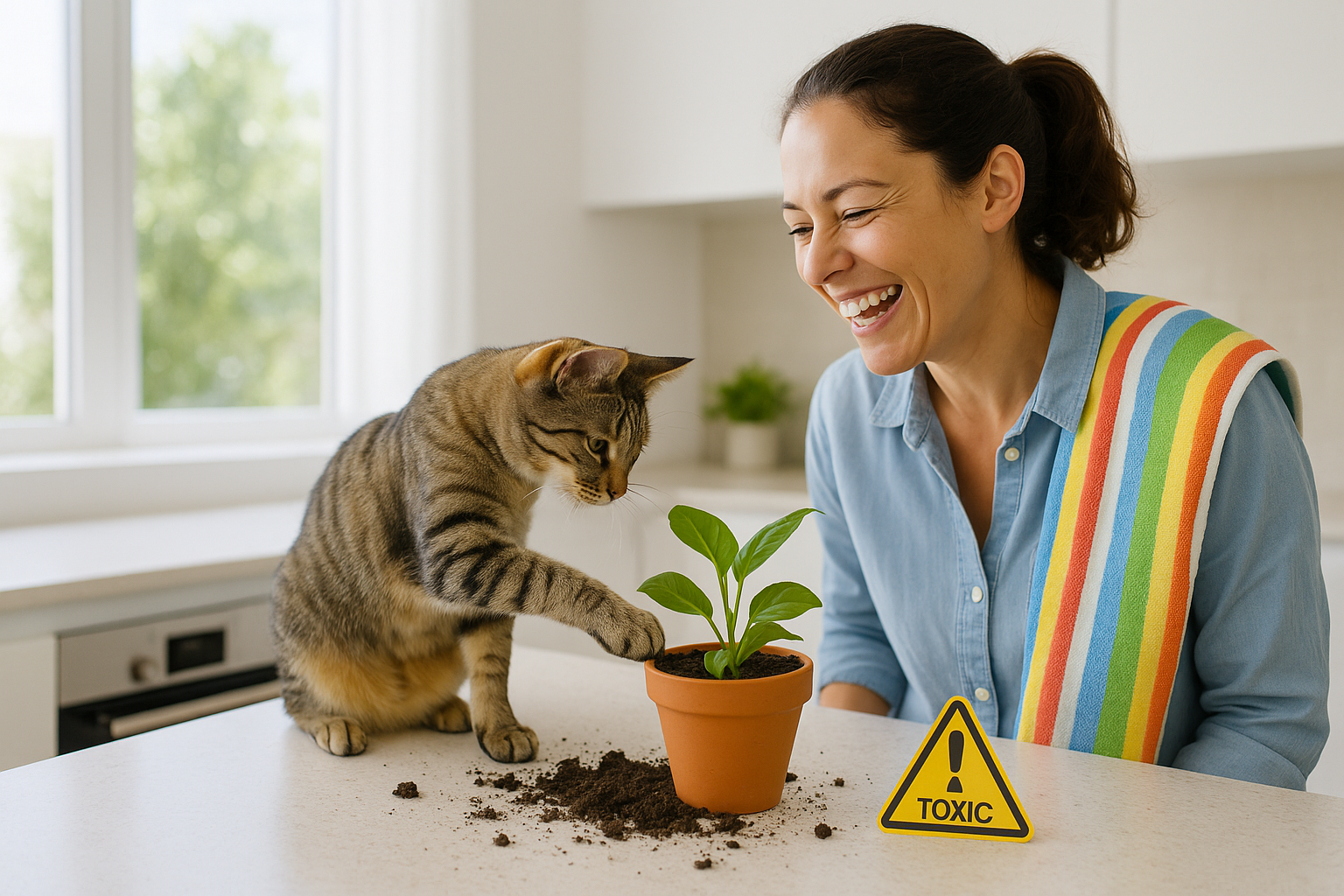
While natural remedies may seem less harsh and more appealing, they won’t reliably eliminate worm loads or prevent reinfestation. Moreover, some natural treatments can potentially cause harm; for example, garlic is toxic to cats, and certain herbs have the potential to interfere with medications. This underscores the crucial point that any natural remedy should be discussed with a veterinarian before use.
Recognising When to Consult Your Vet
Despite the allure of DIY remedies, there are clear signs that indicate your pet needs to see a veterinarian. Symptoms such as weight loss, poor appetite, diarrhea, lethargy, or a bloated abdomen can indicate a serious worm infection that warrants immediate medical attention. In South Africa's diverse environments, where conditions can vary greatly, it is paramount to remember that some regions might have a higher prevalence of certain parasites, making vigilance essential.
Veterinarians can accurately diagnose worm infestations through routine checks and recommend appropriate treatments to keep your pets safe and healthy. It's vital to approach your pet's health with a comprehensive plan that incorporates regular check-ups and preventive care instead of relying solely on natural methods.
Balancing Tradition and Medical Needs
For many South African pet owners, the integration of natural remedies into a broader healthcare plan can certainly hold value. For instance, using certain herbs may complement your pet’s treatment by supporting their overall wellness and immune function. However, these approaches should never be a substitute for proven veterinary care.
In a climate of frequent load shedding, where pets might be stressed and exposed to more parasites, the need for regular veterinary appointments cannot be overstated. Building a rapport with a vet who understands local conditions will provide you with the best practices tailored to your pet's needs.
Additionally, consider budgeting for deworming treatments and regular check-ups. In many instances, a R200-R400 investment in preventative care can save you from facing much larger expenses down the line due to untreated infections.
Practical Takeaways
- Always consult your vet before considering any natural remedies for deworming.
- Regularly monitor your pet for signs of worm infestations, especially in outdoor pets.
- Pair natural health support with a solid veterinary deworming schedule for optimal results.
- Budget for preventative care to ensure your pets remain healthy and happy.










Write Your Opinion!
Log in or Sign up to leave a comment.