
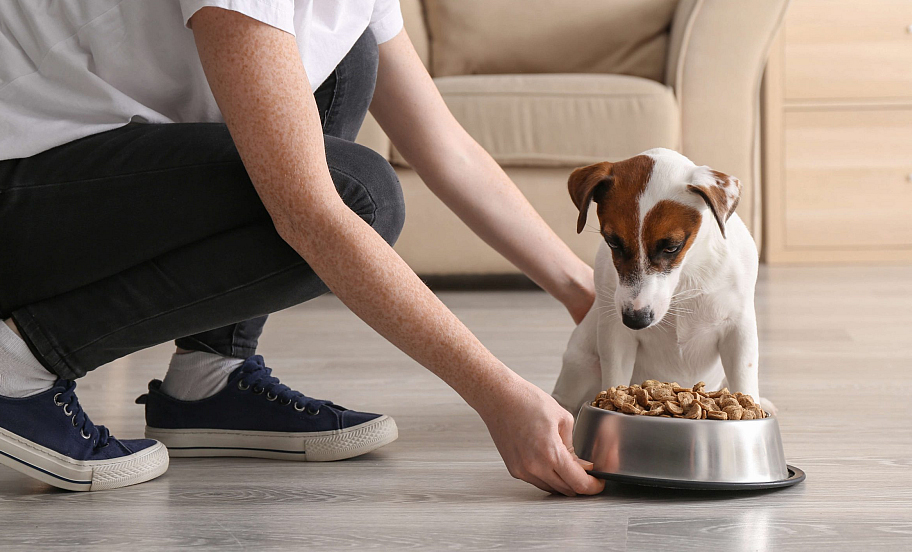
As a South African pet owner, there’s nothing more frustrating than arriving home to find your beloved fur-child missing, possibly off exploring the neighbourhood or, worse, in a dangerous situation. In this article, we will dig into the common issues that arise with garden fencing that can allow pets to slip through the cracks and, more importantly, how you can enhance your garden's security without breaking the bank.
Understanding the Common Escape Routes
Many pets are natural explorers. Dogs are curious by nature, while cats often see fences as mere challenges to overcome. But before you start scouring your yard, let’s look at some common issues that lead to escapes:
-
Height Matters: Some dogs, especially larger breeds, can easily scale low fences. Typically, a fence should be at least 1.5 meters high. For smaller terriers or cats, consider solid barriers of around 1 meter to avoid escapes.
-
Digging: Rodents and other animals can often encourage your pet's digging tendencies. A fence without solid footing can lead to digs. If your pets exhibit this behaviour, you might notice loose soil or holes at the fence’s bottom.
-
Climbing: Pets may find footholds on uneven terrain or nearby garden furniture. If there’s a tree branch or even a pile of stones near the fence, you have just provided your pet with a launch pad to escape.
-
Weak Materials: Over time, garden fencing materials can degrade. Rotten wood, rusted metal, or loose wire can create gaps that your pet can squeeze through. Make sure to inspect your fencing regularly.
Budget-Friendly Solutions to Enhance Fencing Security
Ensuring that your garden fence is pet-proof doesn’t have to be a costly venture. However, costs may vary based on materials and labor in different regions. Here are some practical and budget-friendly measures:
-
Increasing Fence Height: If a new fence isn't within your budget, consider adding height to your existing fence. Using wooden planks, lattice, or even a simple trellis can extend your fence by an additional half a meter for an estimated cost range of R500 to R800, depending on local pricing.
-
Laying Concrete Footings: To stop digging, you can lay concrete footings, particularly for wooden fences. This option may generally cost around R1,500 for materials and labour, though prices can fluctuate based on garden size. Alternatively, burying chicken wire or rocks a foot deep along the base can deter digging without the expense of concrete.
-
Trimming Nearby Vegetation: Regularly trimming trees and hedges near your fence will eliminate potential climbing spots. Not only does this improve your garden's appearance, but it’s also a free way to keep your pets safe.
-
Repairing Damages: Check your fencing frequently for any signs of wear and tear. Repairing weak spots may typically cost R100 to R500, based on what materials are necessary, whether nails, screws, or patching supplies. This small investment will be worth it to keep your pet secure.
-
Installation of Pet Barriers: If you’re considering a solid upgrade, look into specialized pet-proof panels. Although they may start around R1,200 for materials, they represent a long-term investment that can withstand digging and jumping.
The Cost of Neglecting Fence Security
Not investing in proper fencing can lead to costly consequences that extend beyond the emotional distress of a lost pet. If a pet escapes and causes damage or gets injured, you may end up facing legal expenses or veterinary bills that can easily reach thousands of rands. Consider that a visit to the vet can typically range from R500 to R3,000 depending on the care your pet requires. It is always wiser to spend on preventative measures than to risk your pet's safety or your peace of mind.
Final Thoughts
As South Africa’s landscape presents diverse challenges, from high temperatures to wildlife encounters, keeping your pet safe through effective fencing is crucial. While we all want to provide our loved ones with the best, the key to safety is balancing effectiveness with cost-efficiency.
Practical Takeaways
- Inspect your fence bi-monthly for potential weak spots.
- Use affordable solutions like concrete or chicken wire to prevent digs.
- Regularly maintain surrounding vegetation to remove climbing aids.
- Avoid impulsive purchases; consider which upgrades will yield the best long-term results.
- Consult local SPCA guidelines for tips on safe and secure outdoor environments for pets.










Write Your Opinion!
Log in or Sign up to leave a comment.